


This fall seems to have been especially wet. At MJTrends we started to wonder if we had somehow been transported to Seattle with all the back to back days of rain we seem to have had on the East Coast.
Slogging about for so long inspired us to post about rainwear fashions. We get a lot of questions about how to put together water proof and water tight applications.
If you’re making a rain jacket, stitching is fine, however if your goal is dry pack (a back pack that goes on a canoe, typically with a rolled top and seal) you’ll want to use glue. Dry packs can be made with a glued seamed latex interior, or you can use a vinyl adhesive (coming soon) to create 100% waterproof seals.
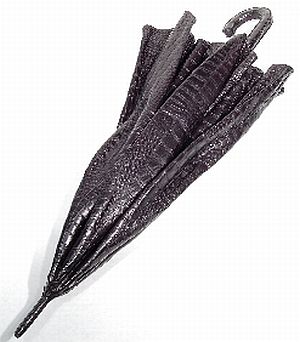
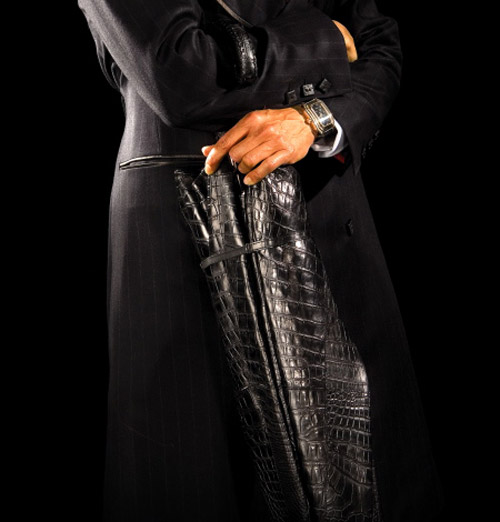
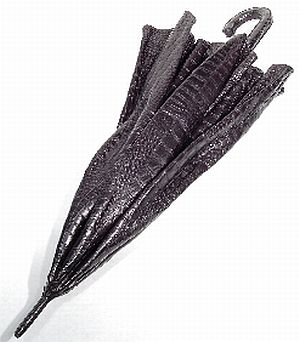
Black crocodile umbrella
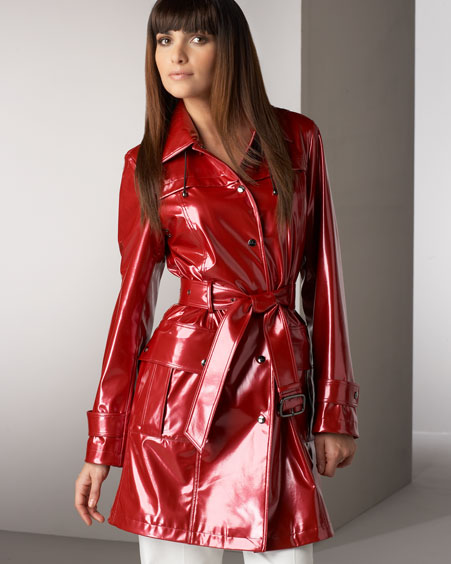
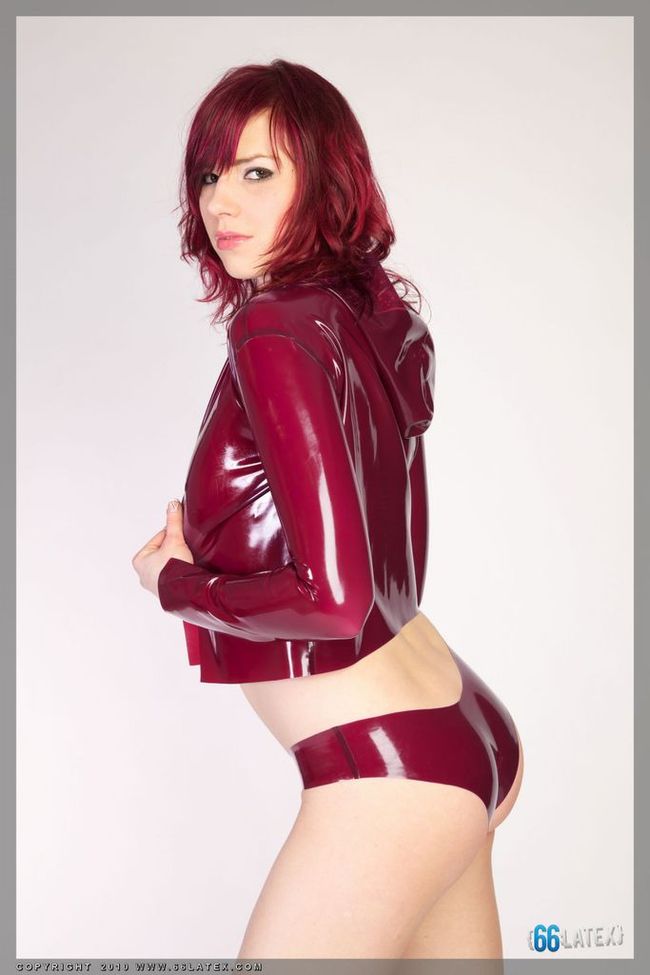
Several of our fabrics are suitable for rainwear including latex, patent vinyl, pvc (2-way stretch vinyl), and our stretch vinyl (4-way stretch vinyl). Latex is the least durable, although our .80mm latex can hold up to a lot of wear and tear. Patent vinyl is stiffer and thicker, suitable for sturdier fashions like overalls, whereas our pvc and stretch vinyl would be used where you want a form fitting style.
One of the more interesting things we’ve seen this year is a crocodile skin umbrella. Apparently a billionaire paid $50,000 for it. Quite a hefty sum considering he could have bought some faux black crocodile fabric from MJTrends and made one for about $49,985 less. It definitely has the cool factor.



The distinction between pvc 2-way stretch and 4-way stretch vinyl clarified a lot for me, especially for anyone aiming for a closer fit instead of traditional rain gear silhouettes.
Good reminder that stitching alone won’t cut it for something like a dry pack; the mention of a vinyl adhesive coming soon definitely caught my attention.
That crocodile skin umbrella anecdote was wild, but it made the point nicely that you can get a similar look with faux materials for a fraction of the cost.
I like that you addressed both fashion and function here, especially pointing out when to prioritize form fitting materials versus sturdier ones like patent vinyl.
Funny comparison to Seattle, but it does feel accurate this year. I appreciated the breakdown between patent vinyl and the stretch options since I’m trying to make something more fitted than bulky.
I’ve been debating between patent vinyl and pvc for a rain overall project, and your note about stiffness versus flexibility helped narrow it down a lot.
I didn’t realize .80mm latex could actually handle regular wear like that, I always assumed latex would tear too easily for outerwear, especially in wet conditions.
After so many rainy days lately, this breakdown feels timely, and I’m especially curious to try the stretch vinyl for something more comfortable than standard rain jackets.
Interesting that latex is labeled the least durable while still being usable at .80mm thickness, I always thought vinyl would be the only practical choice for rainwear.
The note about using glue instead of stitching for dry packs was really helpful, I’ve ruined a couple canoe trips with leaky seams and never thought about latex interiors for a proper seal.
The idea of a glued seam latex interior for waterproofing is something I hadn’t considered before, but it makes sense for keeping everything completely dry.