


Sewing with vinyl fabric can be tricky, but here are some quick tips to make your experience as easy as possible. First off, vinyl is extremely pliable and has a plastic quality to the fabric. While one side has a glossy, smooth texture, the other side is normally made of polyester. Common vinyl options include non-stretch, two-way stretch and four-way stretch. Thicker,
non-stretch PVC fabric is also known as Patent Vinyl, which is commonly found with handbags, belts and accessories and upholstery items. 2-way stretch PVC has a stretchy texture on the horizontal versus the vertical, and is used for rain jackets or clothing with light stretch. Stretch PVC, or 4-way PVC fabric, stretches on both the horizontal and vertical directions. Cosplay fans often use 4-way PVC as it has a very stretchy quality and is lightweight, ideal for uniform costumes, swim suits or lingerie items.
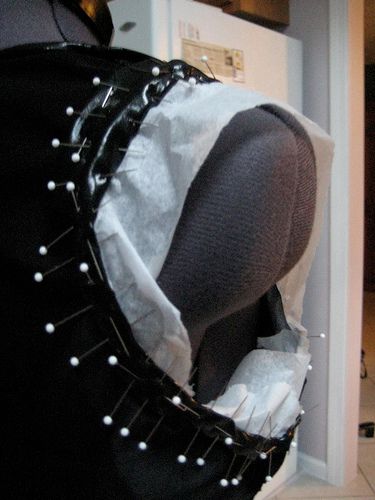
Vinyl fabric can slip easily, so you’ll have to take extra precautions when using a sewing machine. This sliding quality can create accidental mistakes in your work, so we recommend working slowly and carefully. Use extra pins to hold the fabric in place and to avoid making a tangled mess of your vinyl work. Layer on several pieces of tissue paper used for gift-wrapping to prevent the fabric from being caught in the sewing machine.
Be careful when pinning, and don’t rush yourself. Vinyl is sensitive and may be damaged easily, and what may seem like a small hole with traditional fabrics can actually turn into a much larger one. Get a few practice runs in by using a piece of scrap fabric. This will help you test out your next steps without damaging your final product. It’s best to have all the settings marked on your sewing machine in advance to avoid any errors. If you must use a needle, opt for the most sharp and thin needle you can find.
Tear-away tissue may seem like an easy, no fuss process with typical fabrics, but it’s a different story when it comes to vinyl fabric. You can still use tear-away tissue to help create a seam, but it will take more time. The tear-away template will have excess fabric that sticks to your PVC, so you’ll need to use tweezers to remove them carefully.
Regarding how to mark vinyl – try using soap to mark specific spaces on your fabric, as it will simply wash off from the material later on. One of the biggest things to remember is to not apply heat to the fabric. Adding heat will melt the fabric, ruining your work and creating quite literally, a hot mess. As an alternative, top stitching is recommended for getting finishing seams to lie flat. For more information about sewing tips for vinyl, check out Shauna’s Cosplay Pages penned by cosplay artist Shauna Leva.
Remember to keep these tips in mind as you get started on any project. MJTrends is one of the leading purveyors of vinyl fabric online, so take a quick look at the myriad of options we have available online.
Written by Jade Nicolette






The tip about layering gift tissue paper under the vinyl saved me a lot of frustration, since my machine always tries to drag it. I also appreciate the warning about removing tear-away bits with tweezers.
The explanation of patent vinyl versus stretch PVC helped me understand which fabric to pick for upholstery versus clothing. I had been using the wrong type for a jacket project.
I didn’t realize there were different stretch types like 2-way and 4-way PVC, that actually clears up why my last project behaved so differently. The cosplay note about 4-way stretch being lightweight was especially helpful.
Interesting point about not using heat at all, since I usually rely on ironing seams flat. Switching to top stitching instead makes sense for vinyl and keeps everything looking clean.
The distinction between glossy vinyl side and polyester backing is simple but useful, especially when cutting pattern pieces. I’ve accidentally flipped panels before without noticing until too late.
The advice about using the sharpest, thinnest needle possible is spot on. Thicker needles tend to leave visible marks, which really stands out on patent vinyl used for bags and accessories.
The note about vinyl slipping during sewing really resonates, especially when working on curved seams. Slowing down and using extra pins definitely makes a noticeable difference in control.
Using soap to mark vinyl instead of chalk or pens is such a simple trick, but it makes cleanup way easier. I wish I had known that before staining a light-colored piece.
I like that you mentioned setting up the sewing machine beforehand, because vinyl doesn’t give much room for error. Practicing on scrap first has saved me from wasting expensive material more than once.
Calling out how easily pin holes can turn into bigger damage was a good reminder. I’ve definitely ruined pieces by treating vinyl like regular fabric and rushing through pinning.