

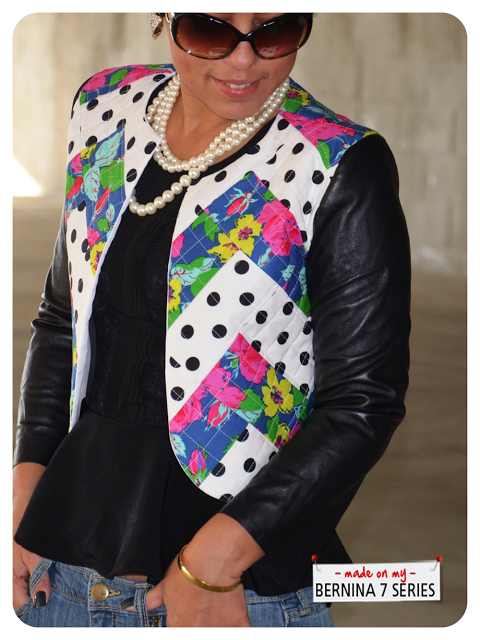
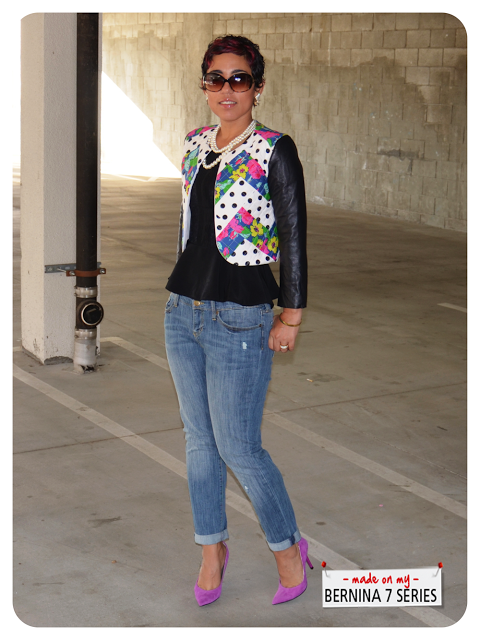
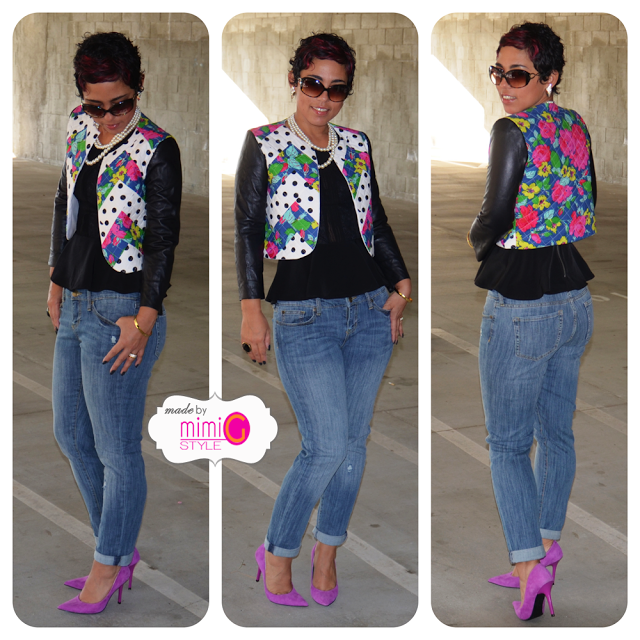
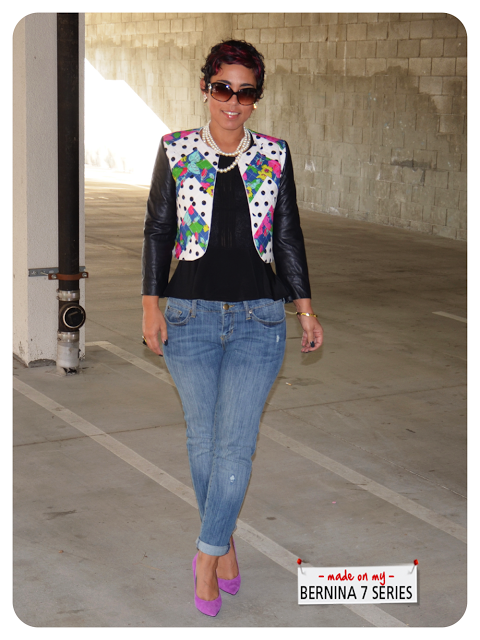
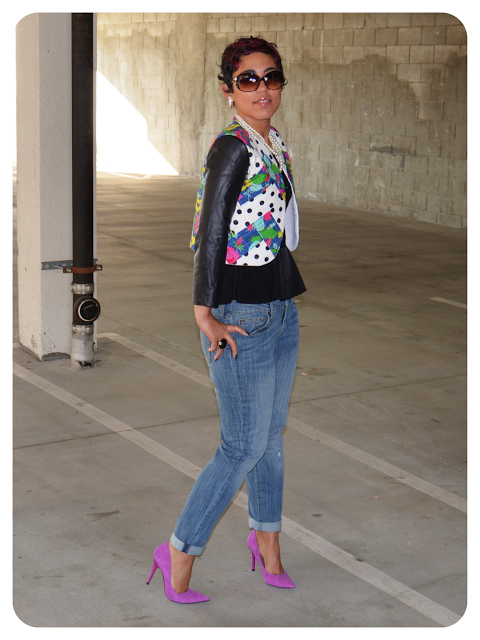
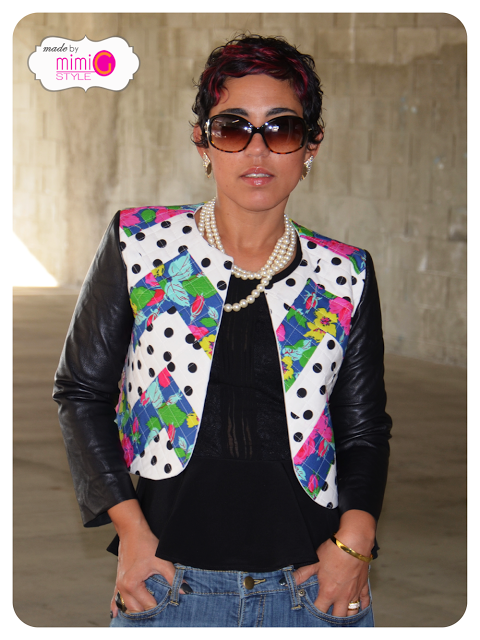
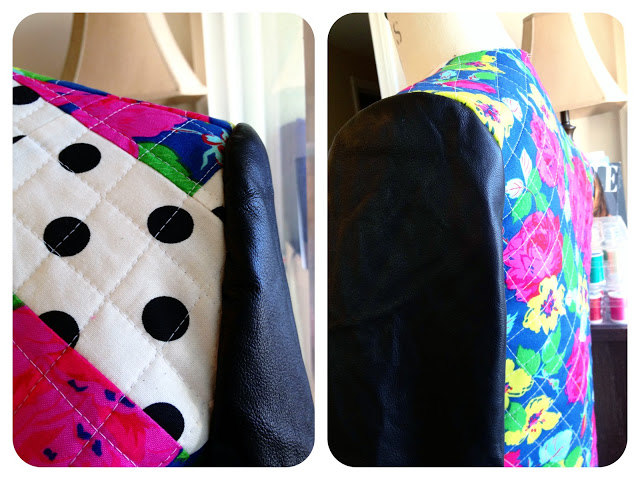
Mimi Goodwin, author of fashion blog “Mimi Style” created a cool and quirky tutorial for a do it yourself quilted jacket. It was only her first time quilting anything, but the results look fabulous. For her design, Mimi chose a bold print with contrasting sleeves of luxe black leather.
- Using a rotary cutter, she cut the strips of fabric approximately three inches wide.
- Next, she placed each strip of printed fabric together and sewed along the edge with about a 1/4″ seam allowance.
- After repeating this process several times, she cut them into 5.5″ square pieces.
- She used another tutorial to piece together the contrasting prints, which is one of the first steps towards quilting.
- She used the Butterick 4926 pattern to create a base shape of a shawl.
- She pressed a batting piece together with the fabric and then began to sew the jacket altogether.
The finished piece is definitely a head turner. You’ll garner tons of looks with this bold, daring statement jacket. Choose a solid color or funky print for your base, and then make sure to add leather sleeves for an energizing addition. Check out our online store for a wide array of veggie leather fabric options available.
Written by Jade Nicolette
Matching Products:
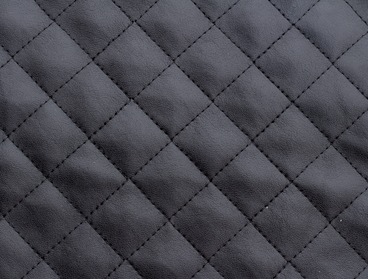
Quilted Faux Leather
$12.99
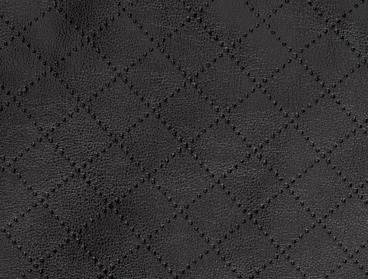
Laser quilted Faux Leather
$9.99
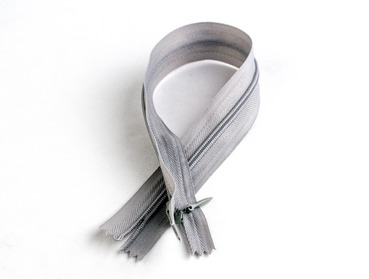
Grey nylon non-separating Zippers
$1.40


Using another tutorial just for piecing the prints was a smart move, and it shows how combining resources can help tackle something as ambitious as a quilted leather jacket.
The contrast between the bold printed body and luxe black leather sleeves really makes the jacket stand out, especially since she used a shawl-style Butterick 4926 pattern as the base.
Cutting with a rotary cutter and sticking to a 1/4 inch seam allowance seems like a small detail, but it probably made those pieced squares come together much cleaner.
I like how Mimi started with 3-inch strips and turned them into 5.5-inch squares before quilting, it makes the process feel more approachable for beginners trying their first patchwork project.
It’s impressive this was her first time quilting anything, especially since she incorporated batting and full garment construction instead of just a flat quilt project.