


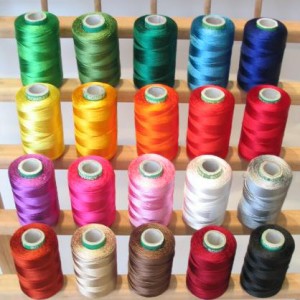
 When it comes to purchasing thread, there are a few important tips to keep in mind.
First, get a feel for what type of project you’d like to create. One common goal for sewing is to repair something, like a hole in an item of clothing, or to mend a small tear. Another type of sewing is to create an item by using a pattern, like a dress or a pair of pants. Although it’s more of a whole separate category into itself, others enjoy sewing embroidery projects. Some popular methods include needlepoint or cross-stitch techniques for embroidery.
Various sewing projects will require specific needs. The most widely used types of sewing thread include cotton, nylon, silk, wool, metallic, bobbin and designer threads. Nylon or rayon threads also include invisible thread, while bobbin threads are utilized for machine sewing. Designer threads refer to threads using different types of materials, like cotton combined with silk or rayon. Next, think about the qualities of each type of sewing thread in order to get a better understanding of what your project may need. Cotton thread is one of the major types of thread, often used for most basic sewing projects.
- Polyester threads are characterized by a shiny quality, and known for having stronger thread count and weight.
- Heavy duty thread is mostly used for upholstery fabric, vinyl or materials used to make coats.
- Nylon threads work well for light to medium weight fabrics that are mostly synthetic.
- Silk thread is used often with embroidery projects.
- Bobbin thread works perfectly with a sewing machine and has a well-rounded quality that can be used for a variety of projects.
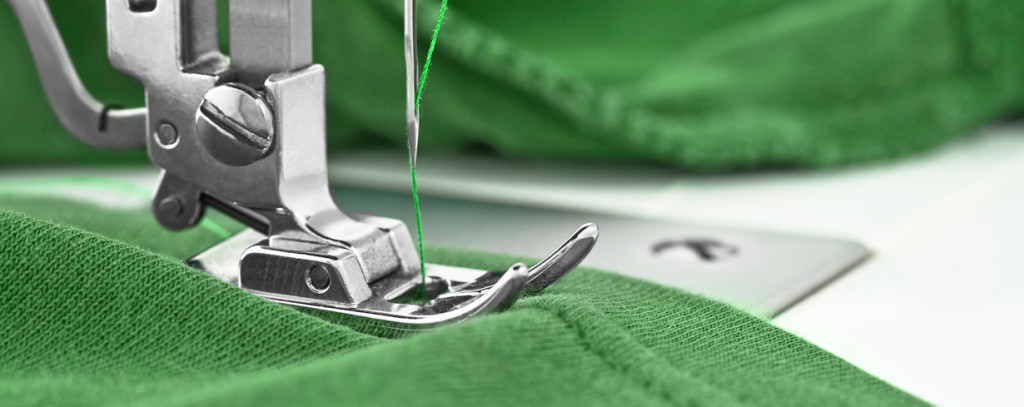
Now that you’ve gotten a little background behind the different types of threads, you can work on finding matching thread to your specific project. If you know that you’ll be sewing a lot of that colorway in the future, save yourself the hassle and buy several rolls of thread in advance.
If your goal is to create an item using a pattern, make sure to read the directions thoroughly to make sure you are using the recommended materials for the project. Like many things when it comes to fashion, quality is everything. Ensure that your garment will withstand the test of time by investing in high quality thread.
Once you’ve decided on what type of project you’d like to work on, the next step is gathering the right type of materials. Skip the lines at the fabric store and explore the wide variety of thread options at your fingertips. When it comes to sewing essentials, we’ve got plenty of options to choose from here at MJTrends.
Matching Products:
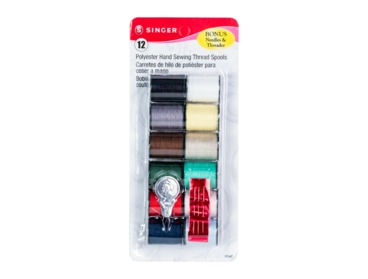
Variety Pack Thread
$4.19
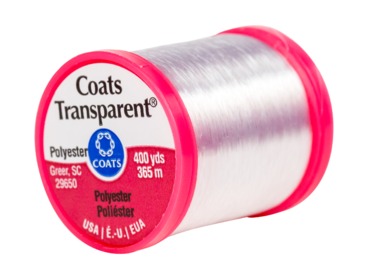
clear transparent Thread
$2.69
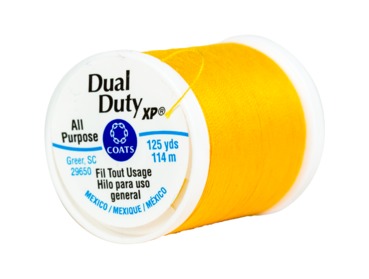
orange polyester Thread
$1.99


The distinction between repair sewing and pattern-based projects really set the stage for choosing thread, which I usually overlook. Matching the thread type to the project makes more sense after reading this.
Calling out the shine of polyester thread made me rethink its use for visible seams. That aesthetic detail is something I hadn’t considered before.
I didn’t realize bobbin thread was so versatile beyond just being a machine necessity. The way you described it as well-rounded makes me want to experiment with it more intentionally.
The reminder to actually read pattern directions for recommended materials feels obvious but is easy to skip. I’ve had projects turn out poorly just from ignoring thread suggestions.
Your explanation of designer threads combining materials like cotton and silk was new to me. It makes sense for achieving different textures and finishes in one project.
The advice to think about the project first before buying thread is simple but important. I tend to buy supplies impulsively and then struggle to make them work.
The section about gathering the right materials after choosing your project ties everything together nicely. It reinforces that thread choice isn’t just an afterthought.
I found the comparison between cotton being standard and polyester being stronger really useful. It helps clarify when to stick with basics versus upgrading for durability.
It was helpful to see silk thread specifically tied to embroidery rather than general sewing. That kind of clarity makes it easier to narrow down options when shopping.
I liked how you separated thread types by function instead of just listing them. It made it easier to understand why each one exists rather than memorizing categories.
I appreciated the breakdown between cotton, polyester, and silk because I always default to cotton without thinking about durability or shine. The note about polyester’s strength and sheen was especially helpful for garment projects.
Interesting point about buying multiple spools if you’ll use the same color often. I’ve definitely run out mid-project and struggled to find an exact match later.
The mention of embroidery methods like cross-stitch and needlepoint helped broaden the scope beyond regular sewing. It’s nice to see those projects included in thread selection advice.
The section on heavy duty thread clarified a lot for me since I’ve been unsure what to use on thicker fabrics like vinyl. Good to know it’s designed specifically for those tougher materials.
I didn’t know nylon threads were best for light to medium synthetic fabrics, so that was a helpful guideline. I’ve probably been mismatching thread and fabric without realizing it.
The emphasis on quality really stood out, especially for garments meant to last. Cheap thread has caused me more issues than I’d like to admit.
I liked how you mentioned invisible thread under nylon and rayon since it’s something I’ve seen but never understood. That detail made the category feel less intimidating.