


Fashion blogger Gabi Rivera-Morales created a delightful latex DIY project for XOJane. Using a yard of lime green and black PVC fabric purchased from MJTrends, she started to get to work.
- First she measured out her waist, hips and the length in between for an exact fit.
- Then, she folded the fabric in half and sketched out a pattern onto the cotton base side of the fabric. Avoid pinning down anything because it will damage the fabric, instead work carefully and slowly when cutting.
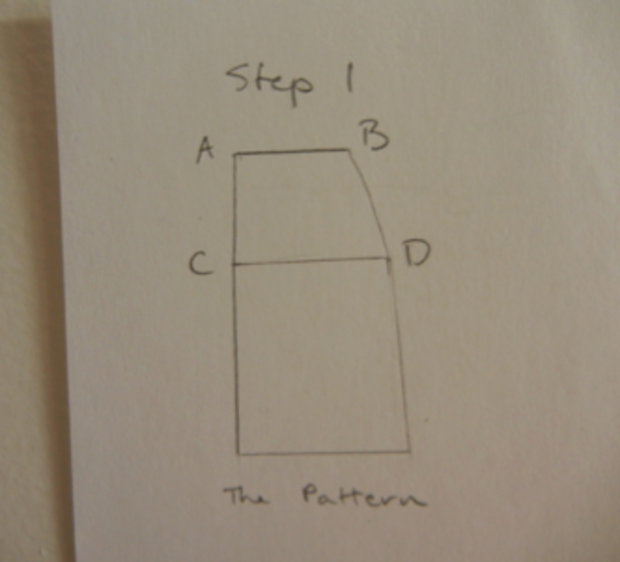
- Next, cut out your pattern pieces in order to create the three major panels for the skirt.
- You’ll want to sew the zipper onto the back panels. For the zipper, she recommends hand stitching it to keep it secure.
- Match the two back panels together, PVC sides facing one another, then mark when you’d like to place the zipper.
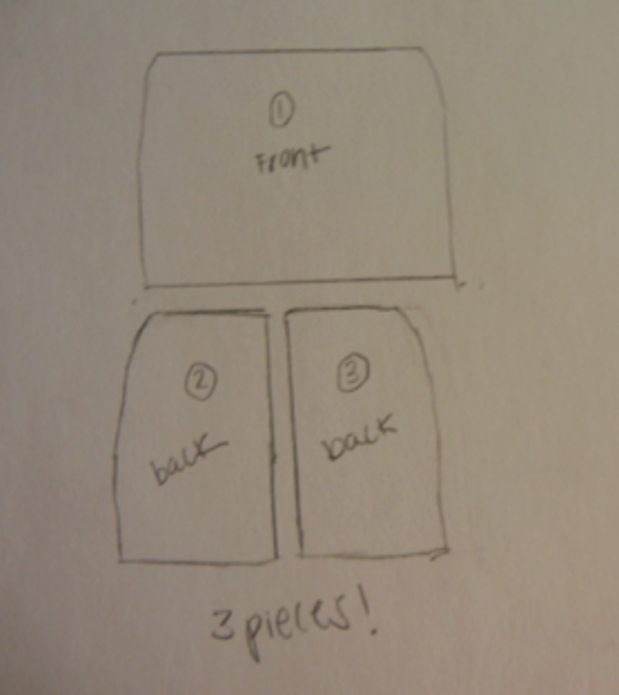
- Sew the bottom half of the skirt, then sew the zipper into place.

- For an exact fit, wear the panels before completing the project. Then, sew them together for a final step.
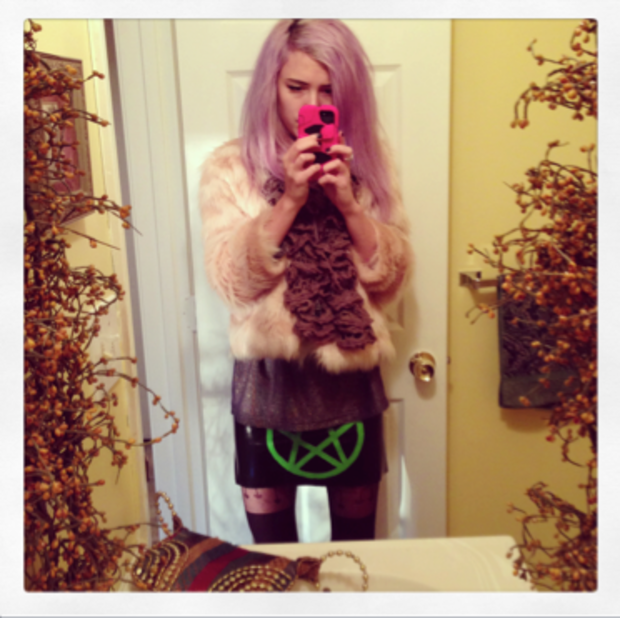
Another tip that she recommends is using painter’s tape directly onto the seams. Doing so will help make sure that your needle will work through the fabric easily and not get stuck or jammed. For an enigmatic twist, she added a pentagram design using the lime green latex fabric. Once she decided on a final design, she used fabric glue to adhere it into place. You could also create different designs by adding a star, heart or other symbol to make other variations of this look.

The finished product looks store-bought and on point. For styling ideas, try pairing with a long sleeved cropped top for a sleek outfit. Or, pair with a feminine, lace top to create some interesting contrast. Prefer an eye-catching look? Layer a body harness overtop and opt for dramatic makeup for a bold feel.
Written by Jade Nicolette


Matching Products:
Black Stretch PVC
$13.99
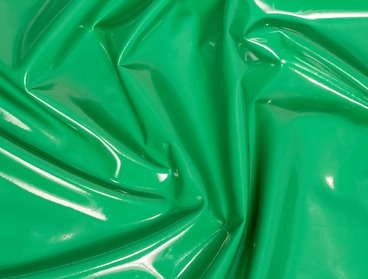
Green Stretch PVC
$10.99
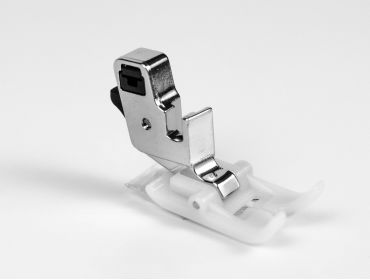
Teflon Snapon Presser Foot
$6.99


That lime green and black combo with the pentagram detail gives it a bold edge without overcomplicating the build. I appreciate that fabric glue was suggested instead of trying to stitch decorative pieces.
I’ve worked with PVC before and the needle sticking issue is real, so the painter’s tape trick feels like the most practical takeaway here. Small tips like that save a lot of frustration.
The step about wearing the panels before finishing really stood out, since PVC doesn’t forgive sizing mistakes. It’s nice seeing a DIY that actually emphasizes fit instead of just eyeballing measurements.
Hand stitching the zipper sounds tedious, but it makes sense for thicker PVC where machines can struggle. The sequence of sewing the bottom first and then inserting the zipper was explained clearly.
The styling suggestions at the end were surprisingly useful, especially pairing the skirt with lace for contrast. It shows how versatile a statement piece like this can be beyond just edgy outfits.
I liked the reminder to avoid pinning PVC and instead cut slowly, because I’ve ruined vinyl before with holes that never disappear. The painter’s tape tip for smoother stitching is something I’m definitely trying.
The three-panel construction seems manageable even for beginners, especially with the clear order of cutting, fitting, and assembling. Folding the fabric to sketch the pattern is a simple but effective approach.
Measuring waist, hips, and length before even sketching the pattern is such a basic step, but it’s often skipped in DIYs. This guide felt more methodical than most fashion tutorials I’ve seen.