


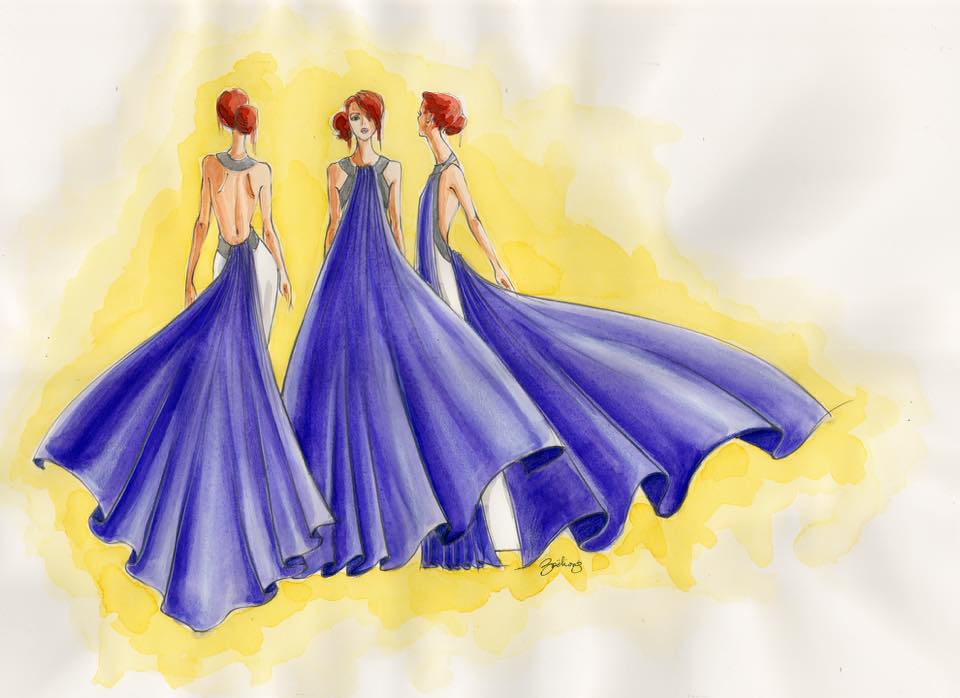
If you haven’t heard of Zoe Hong yet, you’re in for a real treat. A talented fashion illustrator, Zoe is the host of her own YouTube channel, where she shares in-depth videos about everything related to fashion and style drawing.
With over one million views on YouTube alone, Zoe also offers supplemental practice packs for her fashion illustration tutorials through Etsy. Many of her fans truly love work, and they have noted that her detailed instructions are extremely helpful when learning about fashion illustration.
Latex, vinyl and PVC have a sleek quality that’s filled with shine. Although the thought of trying out some fashion illustrations featuring the shiny fabrics might seem daunting, Zoe Hong shows us how it’s done. Using an array of markers, Zoe breaks down every detail in her super awesome fashion illustration tutorial video for shiny fabrics.
Zoe explains how important it is to create a halo for the garment, such as an area of white space to represent the sleek quality of the fabric. In her video, she sketched out a few garments, including a form fitting pencil skirt.
Before this tutorial, we literally had no clue how you could achieve anything close to life-like when it comes to drawing out shiny materials like latex, vinyl and PVC. Check out this simple and easy to follow do it yourself tutorial about fashion illustration for shiny fabrics.
Written by Jade Nicolette



Matching Products:
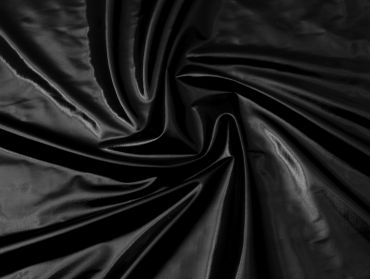
Black Patent Vinyl
$9.99
Triangular 4 pack Tailors Chalk
$3.99
sharp 90 14 Sewing Needles
$3.99


I had never heard of Zoe Hong before this, but the explanation about creating a white “halo” around shiny garments finally made latex rendering click for me.
I like that the tutorial leans on contrast and negative space rather than adding more pigment, which is counterintuitive but effective.
The article does a good job explaining why shiny fabrics look the way they do, not just how to draw them.
I always struggled with making shiny fabrics look believable, and the idea of building highlights first instead of last is a big mindset shift.
Her YouTube tutorials being paired with Etsy practice packs makes sense now, since exercises like the pencil skirt really benefit from repetition.
Before reading this, I would’ve assumed shiny fabrics needed complex blending, but the clean white highlights seem to do most of the work.
Seeing how popular her videos are makes sense after learning how clearly she explains tricky materials like latex and vinyl.
Interesting how the article points out the sleek quality of latex and PVC, because that “halo” trick really captures that almost plastic shine.
The step-by-step marker approach makes shiny materials feel less intimidating, especially compared to how overwhelming rendering reflections can be.
It’s helpful that Zoe focuses on observation, like where light naturally hits, instead of just copying a finished illustration.
I appreciate how specific the example was with a form-fitting skirt, since tight silhouettes really show whether your highlights are convincing.
What stood out was how she breaks down vinyl and PVC textures with markers instead of overcomplicating it with too many tools.
The tip about leaving intentional white space to mimic that glossy reflection was surprisingly simple, especially seeing it applied to the pencil skirt sketch.