


Kathleen A. O’Donnell of San Francisco State University wrote an article entitled “Good Girls Gone Bad: the Consumption of Fetish Fashion and the Sexual Empowerment of Women”, for the Advances in Consumer Research Volume 26. She theorizes that women wear fetish fashions because it gives them more positive self evaluations leading to confidence and greater control in their sexual relationships.
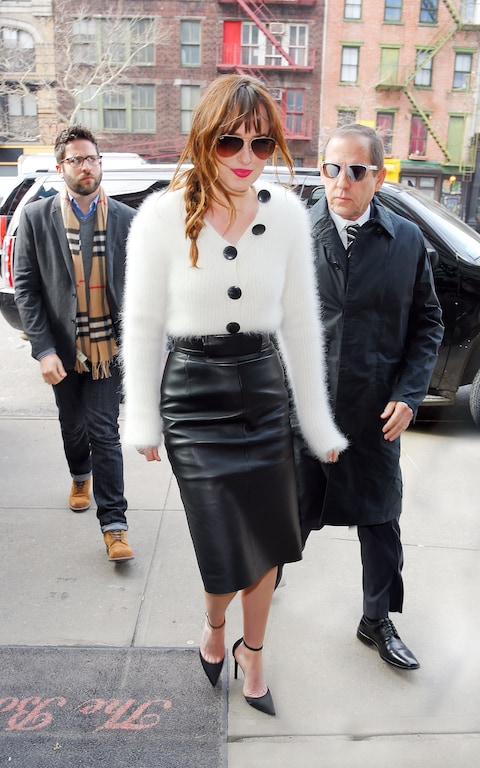

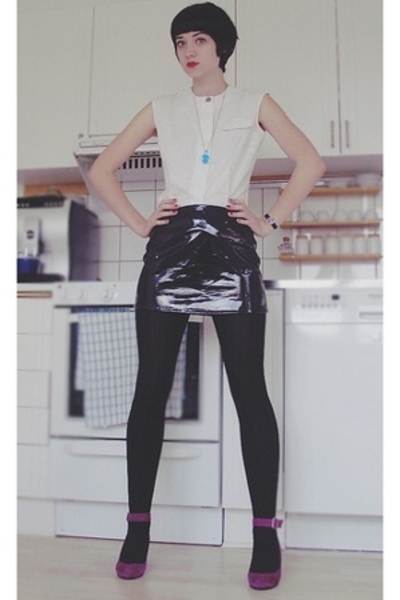




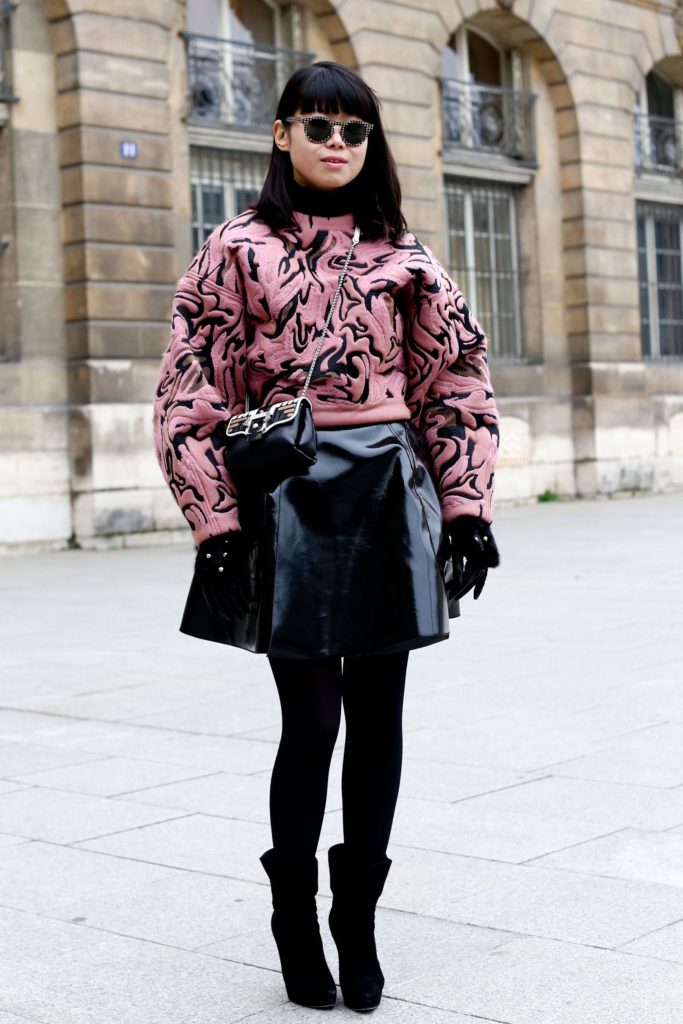


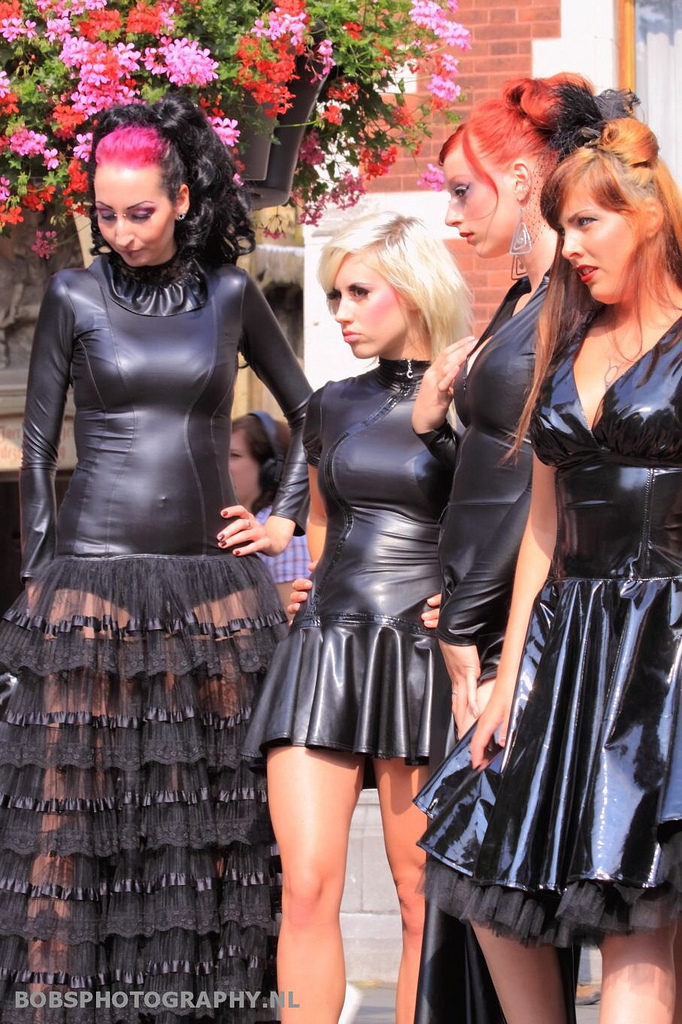

It would be easy to write this off as a “duh” moment, if you think about it in terms or 6-inch stilettos, riding crops, patent vinyl corsets, and other dominatrix inspired gear. However, the world doesn’t have to be so black and white. Kathleen’s underlying thesis had more to do with subcultures and the products that those subcultures consume in everyday life, versus a direct look at latex, leather, and vinyl clothing.



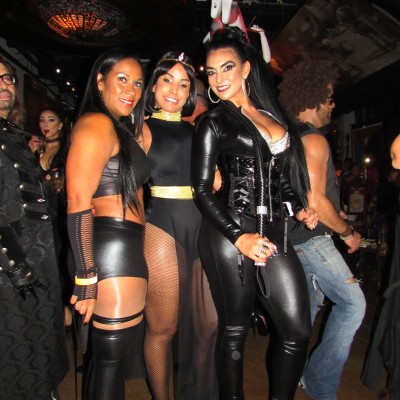


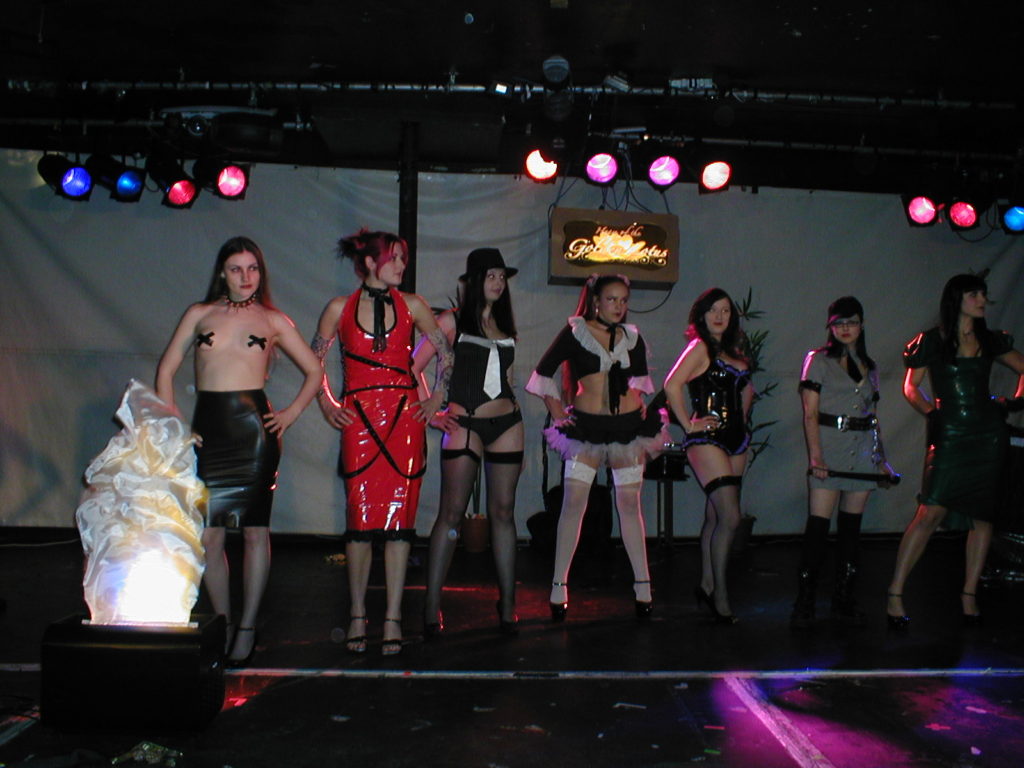
The study reaffirms the conclusion that fetishism is a largely male domain, and explores why non-fetishist women participate. The study postulates that men have a purely sexual motivation for consuming fetishistic fashion, yet women, lacking the innate motivation that men in the subculture have, must learn about the meaning of the clothing through media, other subculture members, shopping sites, and other avenues. Through this learned meaning of the clothing, women come to appreciate what they like and consume the products according to their own values. Or is it possible that women’s motivations are closer to men’s?




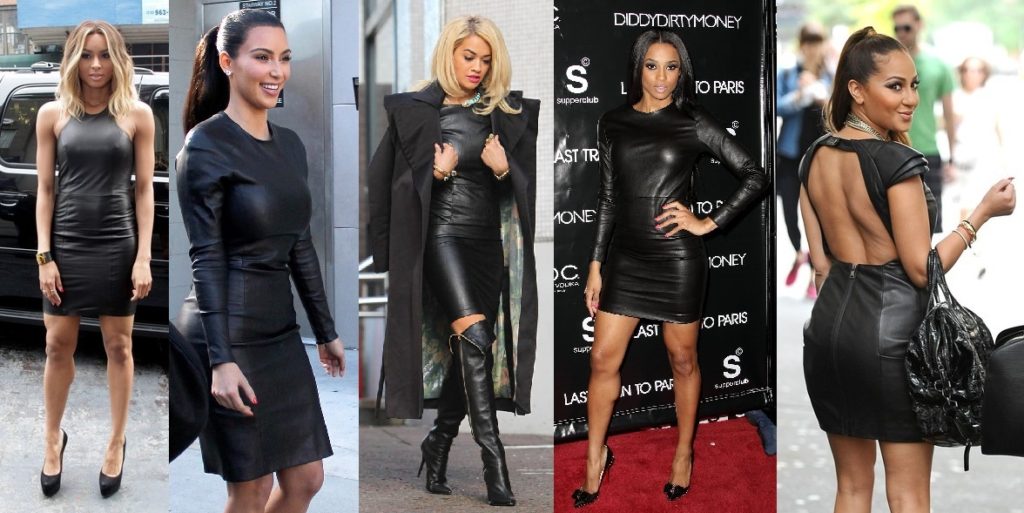




Kathleen proposes that, “one possible explanation for female consumption of fetish fashions is that nonfetishistic women also experience more positive self evaluations when they wear fetish gear.” The study found that it is possible that through various feedback loops, women begin to self-rate themselves as more attractive, powerful, and sexual when wearing said fashions.




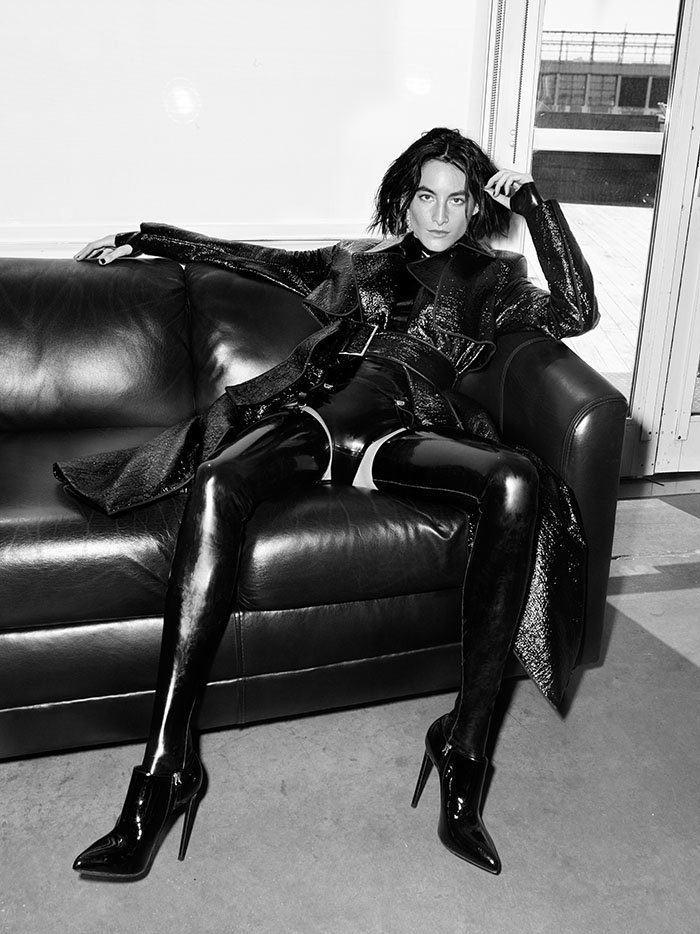
While in the beginning nonfetishistic women may have experimented with the clothing as a way to please their partner, over time the women find that they are able to craft a new identity that is more sex-positive for themselves. Even within mainstream culture items such as stilettos, patent vinyl, and latex clothing are viewed as dangerous and cunning, and garner positive responses when worn in public from nonfetishists.
The study focuses on in-depth interviews with women who were involved in the fetish fashion subculture. You can read the full text of the study here: http://www.acrwebsite.org/search/view-conference-proceedings.aspx?Id=8245
Matching Products:
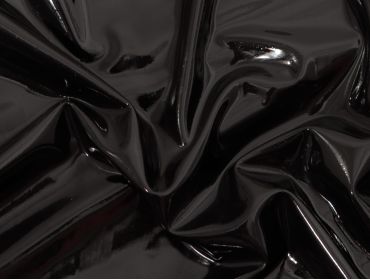
Black .50mm
$15.99

Army green Stretch PVC
$12.99
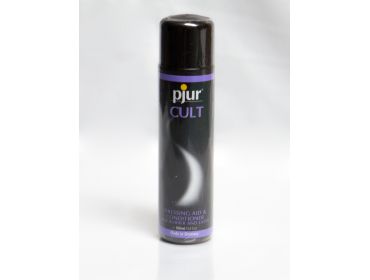
100ml Latex Shine
$24.99


The contrast between assumed male sexual motivation and women’s learned appreciation felt a bit oversimplified, but the interviews seem to complicate that in useful ways.
The mention of everyday items like stilettos and patent vinyl being read as “dangerous” in mainstream culture really helped connect niche fetish fashion to things people already recognize.
I liked how the article moved beyond the obvious latex-and-corset imagery and focused on subcultures shaping meaning, especially the idea that women learn the symbolism through media and community before internalizing it.
Framing fetish fashion as part of broader consumer subcultures rather than just extreme outfits made the argument much more nuanced than the usual take on dominatrix aesthetics.
What stuck with me was how external validation and self-perception reinforce each other, making the clothing feel empowering even if the initial motivation wasn’t personal.
I appreciated the emphasis on identity-building, especially how participants used fetish fashion to construct a more sex-positive version of themselves rather than just performing for someone else.
It’s interesting that the study still frames fetishism as largely male-driven, yet shows women arriving at similar feelings of empowerment through completely different learning pathways.
The feedback loop concept stood out to me, where women start wearing fetish pieces for a partner but end up feeling more attractive and powerful themselves over time.