


Leather is a material that has been used by humans for thousands of years, and its unique combination of strength, durability, and versatility makes it a popular choice for a wide range of products. Leather hides are the raw material used to make leather products, and the process of turning a hide into a finished product involves several steps, including tanning, cutting, stitching, and finishing.


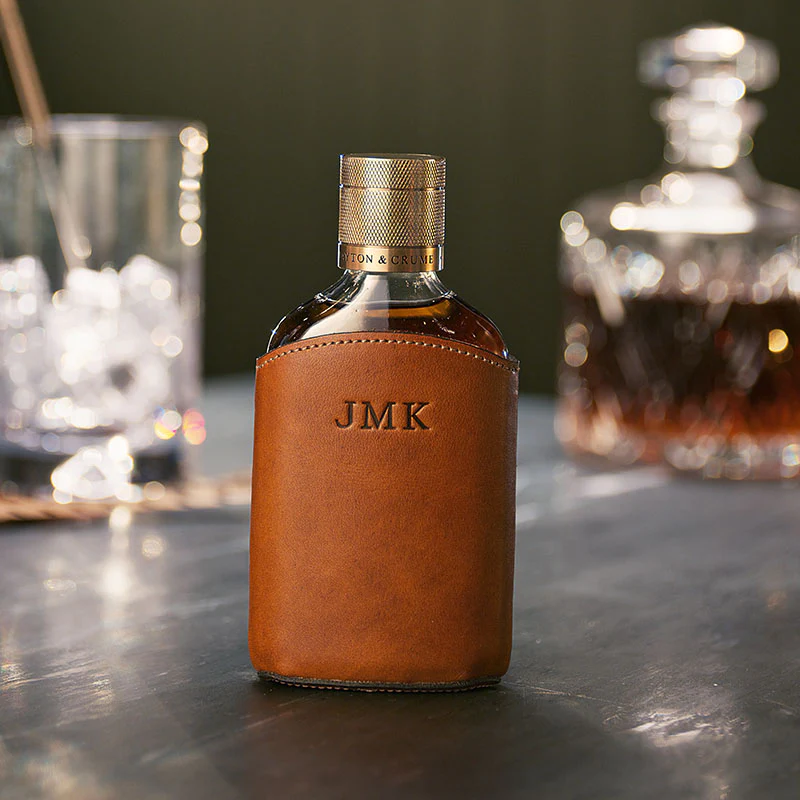
Leather hides have a wide range of uses, some of the most common uses include:
- Clothing and fashion accessories: Leather is commonly used in the production of jackets, pants, skirts, shoes, belts, bags, wallets and other fashion accessories.
- Furniture: Leather is often used to upholster furniture such as sofas, chairs, and ottomans.
- Automotive interiors: Leather is a popular choice for car interiors due to its durability and resistance to wear and tear.
- Bookbinding: Leather is often used in the binding of books, particularly in high-end leather-bound journals and photo albums.
- Sports equipment: Leather is used to make sporting goods such as gloves, boxing gloves, and baseballs.
- Saddles and tack: Leather is a traditional material for horse riding equipment, including saddles, bridles, and reins.
- Footwear: Leather is widely used in the production of shoes and boots.
- Musical instruments: Leather is used in the making of drumheads, guitar straps, and other musical instruments.
- Accessories: Leather is used to make a wide range of accessories including belts, keychains, and watchbands.
These are just a few examples of the many uses for leather hides. The versatility of leather makes it a popular choice for a wide range of products. Below you’ll find more information about the process of making a leather hide and different techniques for leveraging leather for fashion or accessories that you may want to make.


Tanning is the process of transforming raw hides into leather. This is done by removing the hair and fat, and preserving the hide through the use of chemicals and processes such as soaking, pickling, and tanning. The type of tanning used will affect the final product, with vegetable tanning being the traditional method and producing a more natural, organic look, and chrome tanning being more widely used for its ease and durability.
Once the hide has been tanned, it is then ready to be cut into the desired shapes and sizes for the final product. This is a skilled process that requires precision and attention to detail, as even small variations can affect the final product. The hides are typically marked out with a pattern, and then cut using sharp knives or scissors.
Once the leather has been cut, it is then time to sew the pieces together to form the final product. This is where the leather worker’s skill and expertise come into play, as the leather must be sewn in a way that is both functional and aesthetically pleasing. There are a variety of stitches that can be used, including hand-sewn stitches such as saddle stitch and machine-sewn stitches such as lock stitch, depending on the desired outcome.
Hand-sewn stitches, such as saddle stitch, are commonly used for high-end leather goods, as they produce a strong and durable seam that is resistant to tearing. The stitch is made by passing a needle and thread through the leather and then knotting the ends of the thread. The needle is then passed through the leather again, in the opposite direction, and the process is repeated. This creates a strong, interlocking seam that is resistant to tearing.



Machine-sewn stitches, such as lock stitch, are often used for mass-produced leather goods, as they are faster and more efficient. The machine uses two threads, one for the upper and one for the lower layer of the leather, that interlock with each other as the machine sews. This creates a strong and consistent seam that is ideal for mass production.
Once the leather has been sewn, it is then ready for finishing. This is the process of treating the leather to protect it from wear and tear, and to enhance its appearance. Finishing may include dyeing, oiling, waxing, or polishing, depending on the desired outcome. Dyeing is a common finishing process, and is used to change the color of the leather. Oil and wax are used to protect and soften the leather, while polishing is used to create a smooth, shiny surface.
MJTrends began offering leather hides in addition to our faux leather fabrics about three years ago. We have an assortment of lambskin, goatskin, and cow leather hides in different colors and with different softness ratings.


The breakdown of vegetable versus chrome tanning was helpful, especially the note about the natural look versus durability. I’ve always wondered why some leather ages better and now it makes sense.
The inclusion of bookbinding stood out to me since it’s not something people commonly associate with leather anymore. High-end journals definitely feel different because of that material.
I didn’t know MJTrends had expanded into real leather hides alongside faux options. Having lambskin, goatskin, and cowhide choices with different softness levels seems useful for makers.
The detail about marking hides before cutting was useful, especially for beginners. It shows that planning and layout are just as important as stitching when making leather goods.
The automotive section caught my attention because leather seats really do hold up better over time. Now I understand that it’s tied to the material’s resistance to wear and tear.
Interesting to see saddle stitch highlighted as stronger than machine lock stitch. It explains why handmade leather goods tend to last longer even if they cost more upfront.
What stood out was how finishing techniques like polishing can change the entire look of a piece. That’s probably why two items made from similar hides can appear completely different.
I found the explanation of removing hair and fat during tanning interesting, since it highlights how much transformation the hide undergoes before it’s recognizable as leather.
I liked the section on cutting patterns because it’s easy to overlook how precision affects the final product. Even small mistakes at that stage would probably ruin an entire piece.
I didn’t realize how many steps go into turning a raw hide into something usable, especially the soaking and pickling before tanning. That really explains why quality leather goods feel so different from cheaper alternatives.
Good reminder that finishing isn’t just cosmetic. The mention of oiling and waxing to protect and soften leather helps explain why some items feel better after conditioning.
Seeing saddles and tack included reminds me how long leather has been tied to practical uses, not just style. It’s one of those materials that bridges tradition and modern products.
Nice overview of how leather moves from raw hide to finished goods. The transition from tanning to cutting to stitching really highlights how many skilled steps are involved.
The range of uses you listed really shows how versatile hides are, from car interiors to musical instruments. I hadn’t thought about drumheads or guitar straps being part of that ecosystem.
The mention of sports equipment like baseballs and boxing gloves shows how leather isn’t just about fashion. It’s still essential in performance gear where durability matters.
I appreciate the explanation of how machine-sewn lock stitches work with two threads. It makes sense why they’re preferred for mass production even if they aren’t as durable as hand stitching.