


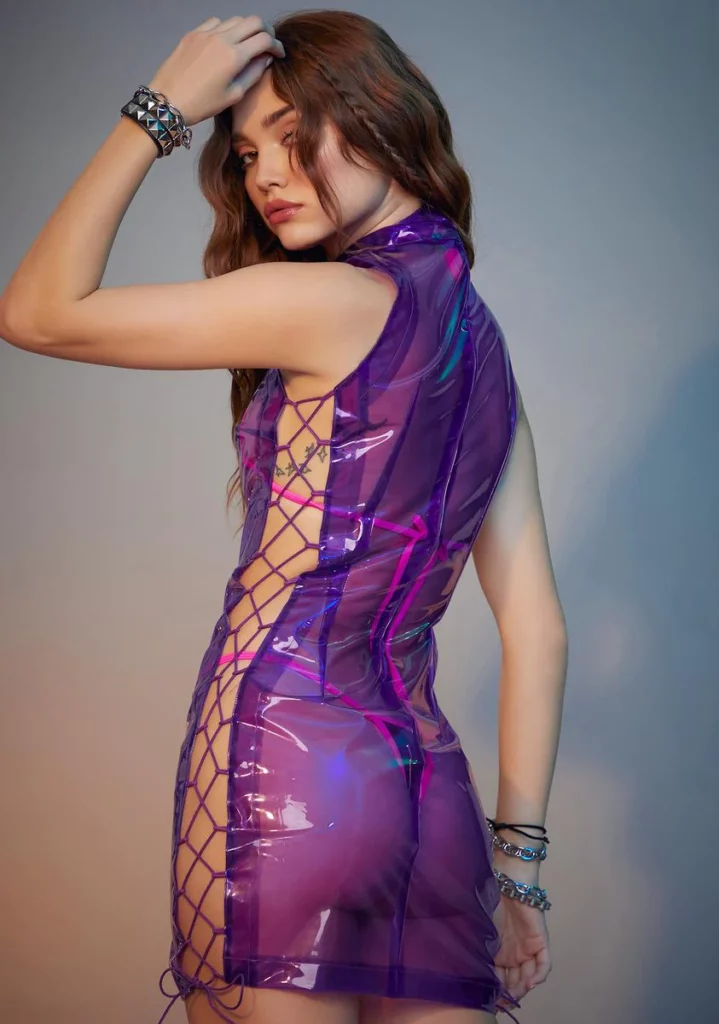
Transparent vinyl is a type of synthetic material commonly used in cosplay costumes and various fashion applications. It is known for its clear or translucent appearance, which allows light to pass through it, giving it a distinct and eye-catching look. Transparent vinyl can be used to create a range of effects, such as imitating glass, water, or futuristic elements in cosplay designs.
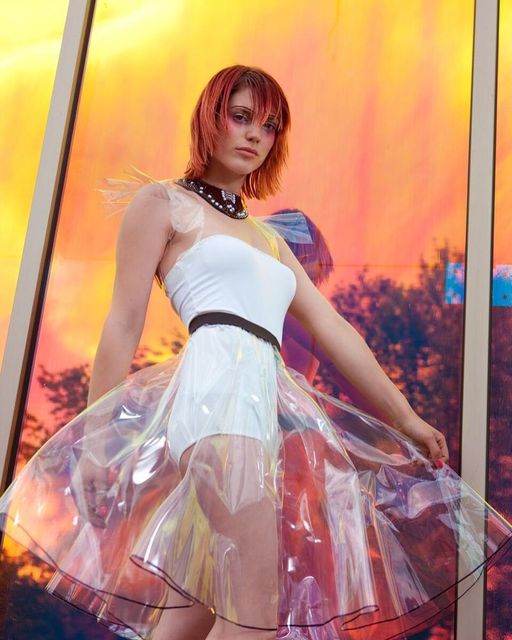
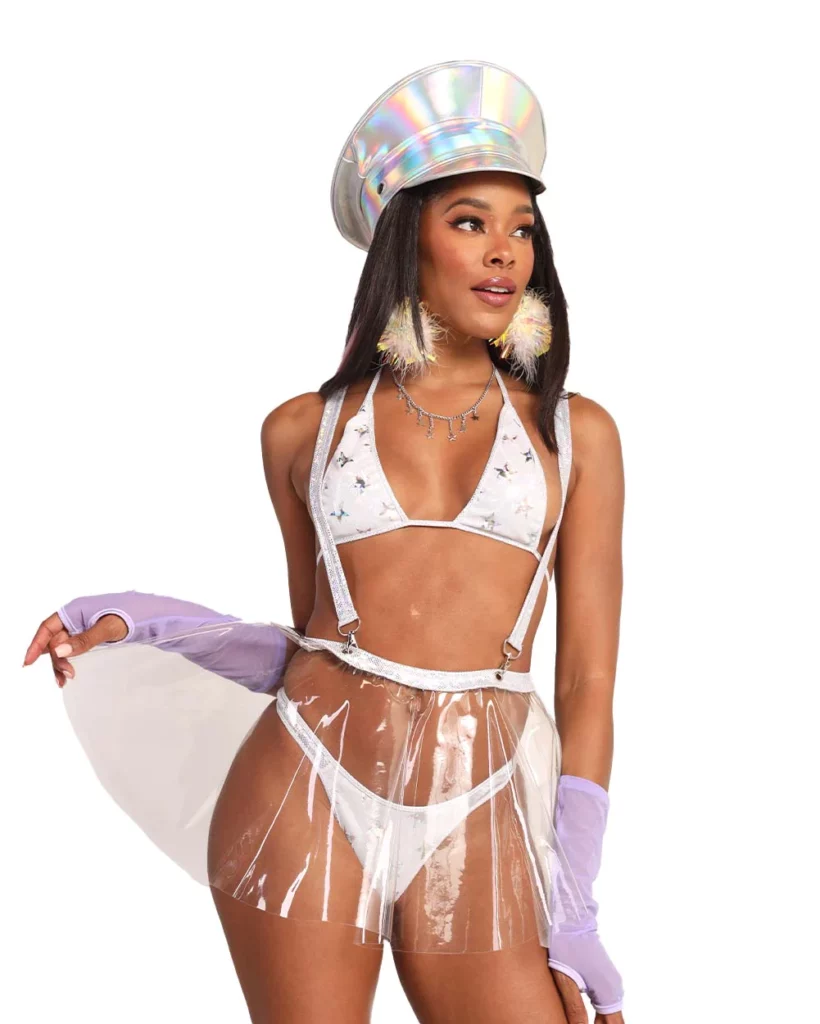
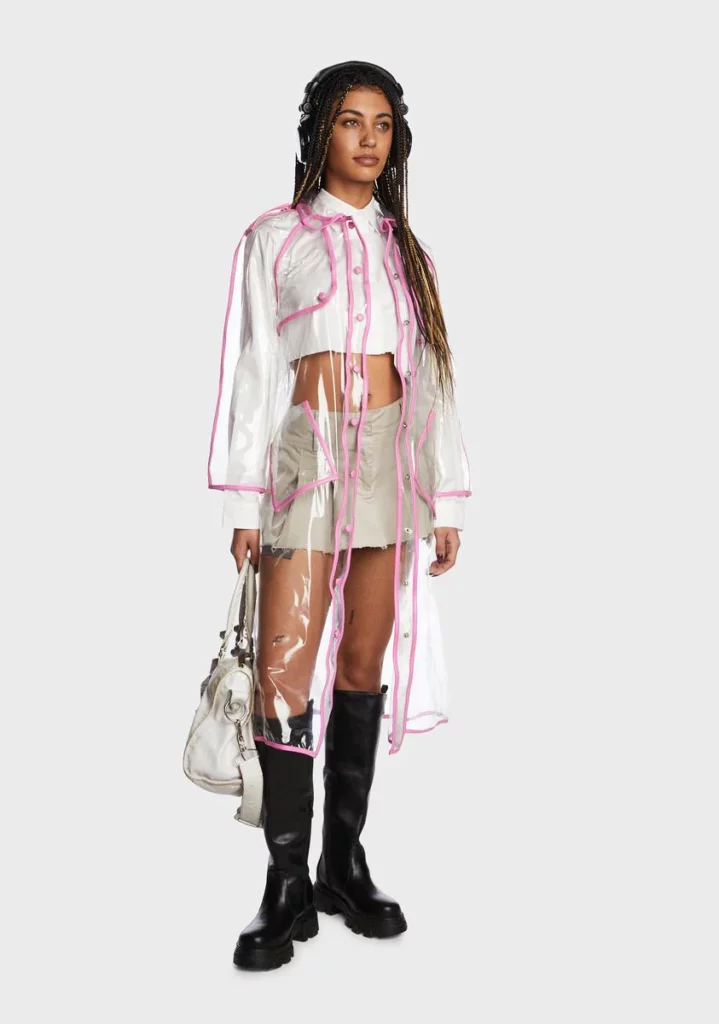
Here are some key points to know about transparent vinyl material used in cosplay costumes:
- Material Composition: Transparent vinyl is typically made from polyvinyl chloride (PVC) or a similar plastic compound. It is manufactured by blending and processing the raw materials into sheets or rolls.
- Transparency and Thickness: Transparent vinyl can vary in terms of transparency levels. Some types are completely clear and see-through, while others may have a slightly frosted or tinted appearance. The material is available in different thicknesses, ranging from thin and flexible to thicker and more rigid options. MJTrends also offers a solid black, opaque, option that is made from the same material.
- Sewing and Construction: Transparent vinyl can be sewn together using a regular sewing machine, but it may require specific techniques and tools. It is advisable to use a heavier-duty needle, such as a leather needle, and adjust the machine settings for sewing thicker materials. When constructing cosplay costumes with transparent vinyl, it is common to combine it with other fabrics or materials to add structure and support. The stitch length should be set to longer to prevent tearing of the material when under stress. If high-stress is required of a seam then it should be glued using MJTrends vinyl adhesive – Vinyl Fusion.
- Durability and Strength: While transparent vinyl may appear delicate, it can be quite durable and resistant to tearing. It is also generally waterproof and easy to clean, making it suitable for costumes that may require frequent use or exposure to different environments.
- Care and Maintenance: Transparent vinyl costumes should be handled with care to avoid scratching or damaging the surface. It is recommended to store them in a cool, dry place away from direct sunlight, as excessive heat can cause the material to warp or become discolored over time. Cleaning instructions may vary depending on the specific vinyl type, but typically, a gentle wipe with a damp cloth or mild soap solution is sufficient for routine cleaning.
- Heat Forming and Molding: One advantage of transparent vinyl is that it can be heat-formed and molded into specific shapes using techniques such as heat guns or heat sealing. This makes it versatile for creating intricate costume details, such as armor pieces, accessories, or futuristic elements.
- Safety Considerations: It is important to note that working with transparent vinyl may involve the use of heat sources and adhesives. Proper ventilation and safety precautions should be followed to avoid inhaling fumes or causing accidental burns. Always read and follow the manufacturer’s instructions and safety guidelines.
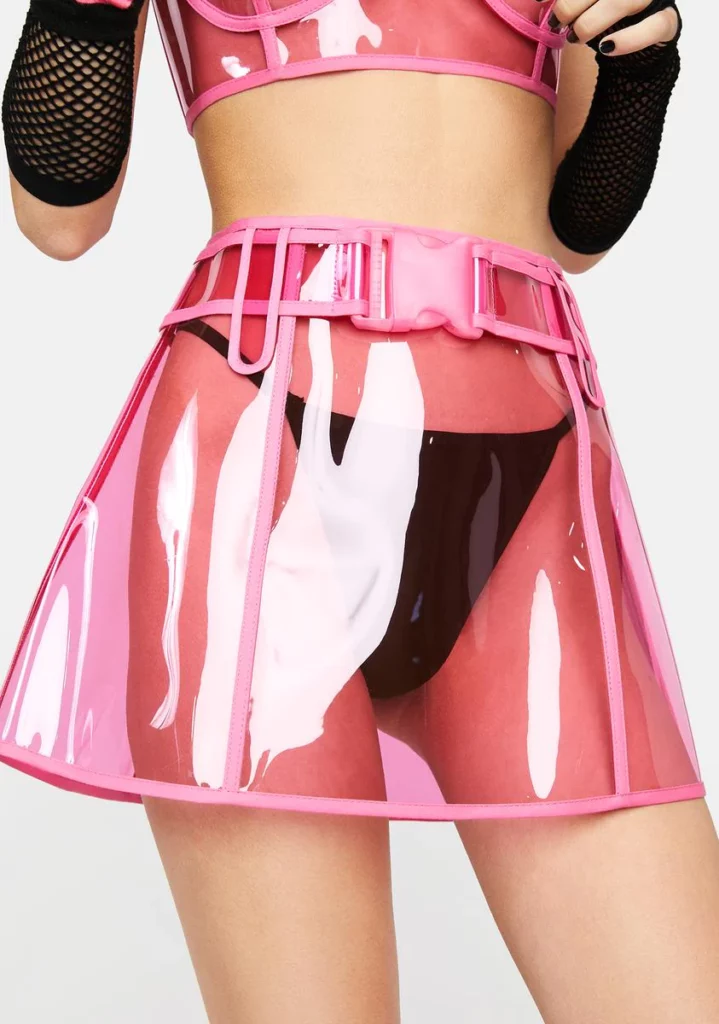
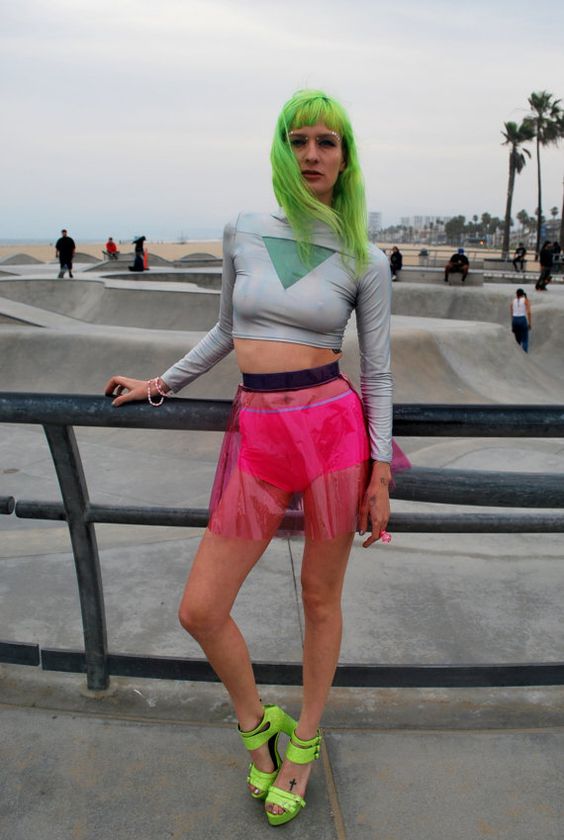
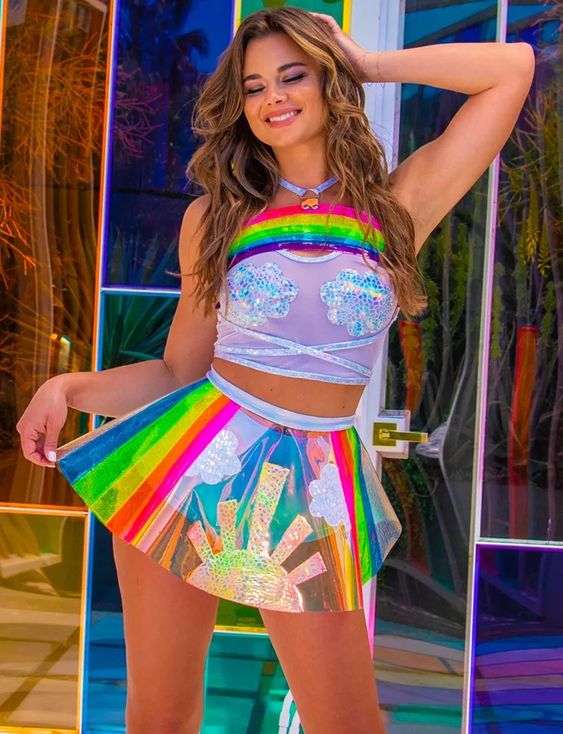
Overall, transparent vinyl is a versatile material for cosplay costumes, allowing cosplayers to create unique and visually striking designs. Its transparent nature offers opportunities for creative expression and adds an element of intrigue to a cosplay character’s appearance.

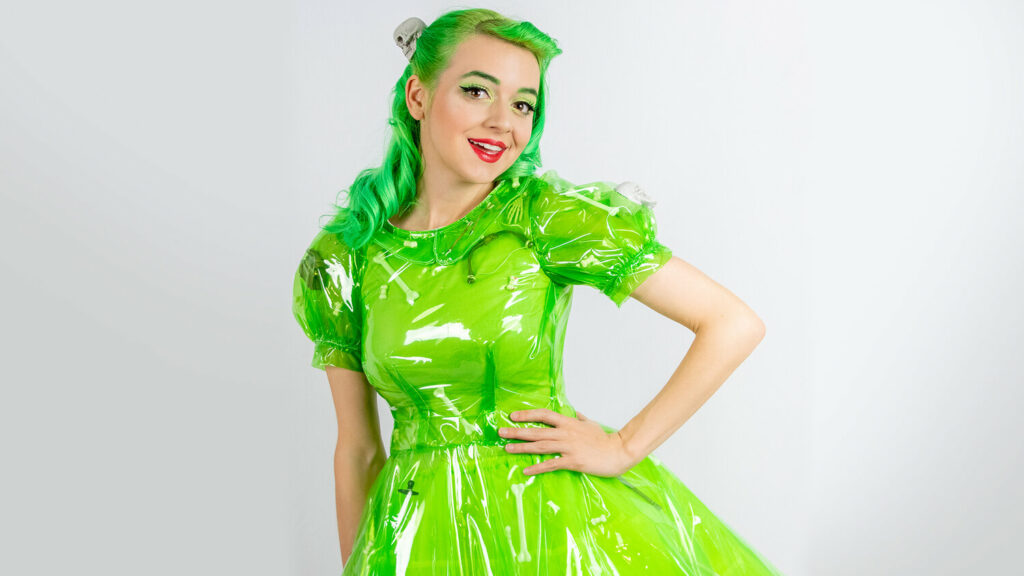
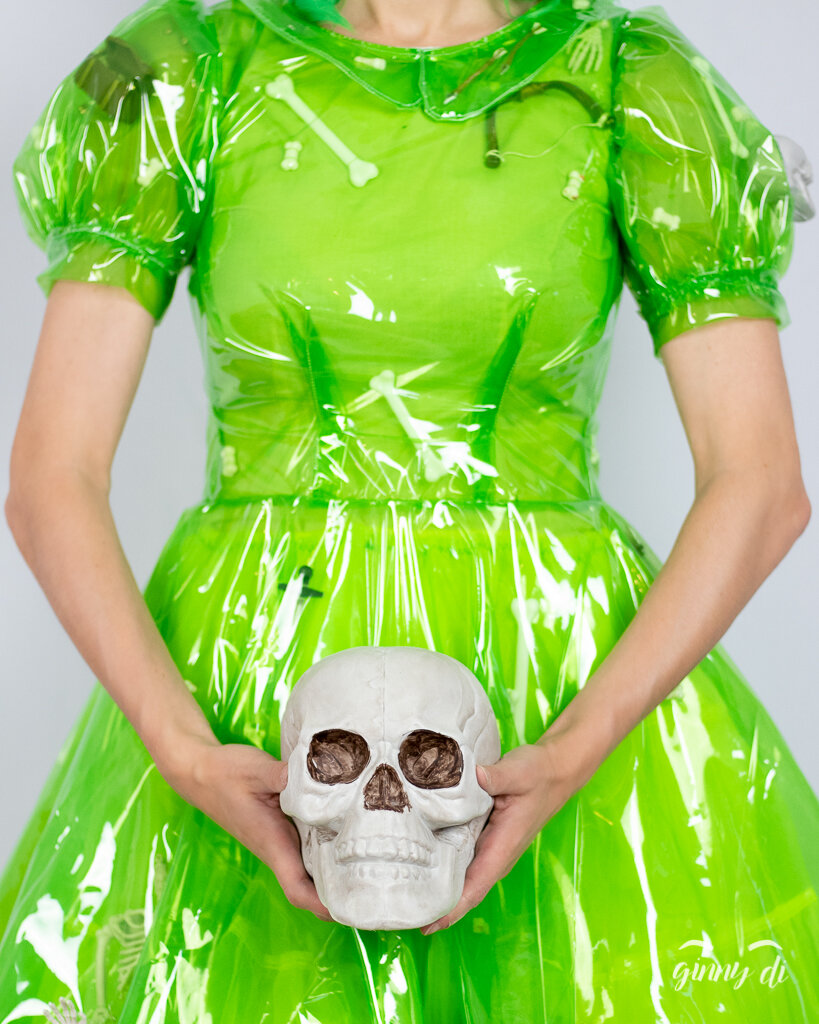


Using transparent vinyl to mimic water or glass effects is a cool idea I hadn’t seriously considered for cosplay props until now.
The note about using a leather needle and longer stitch length is really helpful, since I’ve torn vinyl before by treating it like regular fabric.
The advice about longer stitch lengths preventing tearing under stress is something I wish I knew earlier, since I’ve ruined panels that way.
Combining transparent vinyl with other materials for structure makes a lot of sense, especially for pieces that need to hold shape like chest plates or visors.
I appreciate the mention of Vinyl Fusion adhesive for high-stress seams, because stitching alone has definitely failed me on thicker PVC in the past.
I didn’t realize transparent vinyl could range from fully clear to frosted or tinted; that actually opens up a lot of design possibilities for sci‑fi armor builds.
It’s interesting that despite looking delicate, the material is actually pretty durable and waterproof, which makes it more practical for conventions than I expected.
The fact that MJTrends offers an opaque black version made from the same material is useful for mixing textures while keeping consistency.
The safety reminder about fumes when heating or gluing PVC is important and often skipped in tutorials, so I’m glad it’s included here.
The heat-forming section caught my attention since I’ve been wanting to mold curved panels, and it’s good to know a heat gun can handle that.
It’s helpful that you highlighted combining sewing with adhesive for durability, because cosplay pieces often go through more strain than normal garments.
I like that you pointed out different thickness options, since flexibility versus rigidity really changes how you’d use it in a costume.
The cleaning advice being as simple as a damp cloth is reassuring, since I always worry about clouding or scratching transparent materials.
I’ve struggled with vinyl sticking to my sewing machine foot, so mentioning adjusted settings makes me think I need to revisit my setup.
Good call on storing it away from sunlight, because I’ve had clear plastics yellow before and didn’t realize heat exposure was a major factor.
The versatility for futuristic designs really stands out, especially with the ability to mold shapes and still keep that translucent effect.
I didn’t know transparent vinyl could be both flexible and rigid depending on thickness, which explains why some builds look so clean and structured.