


 If you’re just getting your feet wet when it comes to sewing, welcome to the club! Thanks to the internet (and YouTube!) we’ve got plenty of ways to access information. Before you get started on a project, make sure to do your research before diving in. This will save you tons of time and money in the long run, and you won’t have to waste any of your own resources for trying something without knowing the final result.
- Research: Google different search terms to find out more about your project. Check out social media websites like Pinterest, Facebook, Instagram, and Tumblr for more tutorials. YouTube has a wealth of information, and if you have questions, you can even write a comment to the creator if you have a question.
- Make a test version first. Most people will accomplish this by creating a muslin of the pattern that they’d like to create. You can get a feel for how the garment will fit, or find out if you need to make any alterations to the size. Be sure to have an accurate list of your body measurements to ensure a good fit.
- Get all of your supplies in order. Some people will like to keep these items together in a specific box or a bag in order to stay organized.
- Use Scrap material: Remember, you can always do a test before committing to the full project. For example, start by using scrap material, so you can get a feel of how the fabric works. You’ll most likely need to do a small test on fabrics like faux leather, vinyl, PVC or latex if you’re not already used to working with them. If you’re trying to work on a project, but you run into some difficulty, remember, you can always change it to fit your style. If the pattern calls for a specific type of zipper, you can always try to change it out to better suit your taste.
- Take a break: As beginners, it’s easy to get swept up into the wonderful world of sewing. Everyone needs a break sometimes, and if you’ve been at your project for hours, remember to take a step back so you can get refreshed. Call a friend for help, or ask a family member for their advice about your project. If you still need more information, try doing more research before you get frustrated. More often than not, you’ll be able to find more detailed information online to help you out.
- Go slow: Another tip for beginners is to remember not to rush. If you’re feeling extra stressed about finishing a project, don’t worry about it so much. If sewing is a hobby, just take your time and relax. You don’t have to complete your finished project by a certain deadline. Just take things one step at a time, and you’ll be less likely to make a mistake from trying to rush your way to the finish line.
Sewing is a wonderful hobby that’s loved by so many around the world. Do it yourself tutorials should be a fun experience, and some crafters find the process to be therapeutic and relaxing. Enjoy your growing process when it comes to learning how to sew.
Written by Jade Nicolette
Matching Products:
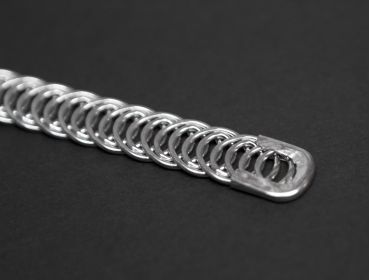
Steel 12mm Spiral boning
$7.99
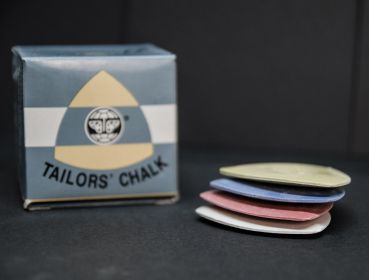
Triangular 4 pack Tailors Chalk
$3.99
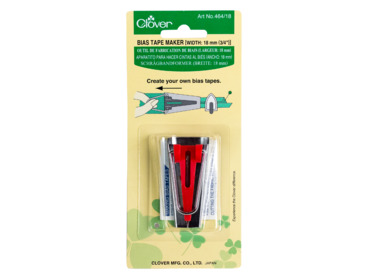
medium bias tape maker
$7.99


The reminder to research on multiple platforms like YouTube and Pinterest is spot on, since I often find completely different techniques depending on where I look.
Accurate body measurements are everything, especially for beginners who assume store sizes will translate directly to patterns, which they usually don’t.
The mention of testing tricky materials like faux leather and latex really stands out since those fabrics can be intimidating without a practice run.
The suggestion to comment on YouTube tutorials for help is great since creators often reply with really useful clarifications you won’t find in the video itself.
I like how the article frames sewing as something therapeutic rather than something you need to finish quickly or perfectly every time.
I’ve found that making a muslin not only helps with fit but also builds confidence before cutting into expensive fabric, which is a huge mental relief.
Social media being part of the research process is so true now, especially with short clips that show quick techniques you might not think to search for.
Researching before starting a project really does prevent wasted money, especially when you realize halfway through you chose the wrong fabric type.
I relate to the advice about not setting strict deadlines since turning a hobby into a race takes away the relaxing aspect that makes sewing fun.
The idea of asking friends or family for input is refreshing because sometimes a second pair of eyes catches issues you’ve been staring at too long.
Testing scraps before starting also helps you adjust machine settings, which can make a huge difference depending on the fabric you’re using.
Taking breaks is underrated advice because I’ve definitely made worse mistakes when I kept pushing through frustration instead of stepping away for a bit.
Using scrap material before touching the real fabric is something I learned the hard way with vinyl. It behaves so differently, so testing first is such a smart tip.
I appreciate the emphasis on going slow because rushing through seams is exactly how I ended up with crooked stitching on my first few projects.
Changing elements like closures or details instead of following patterns exactly makes sewing feel more creative and less like strict instructions.
The encouragement to enjoy the learning process is important because beginners often expect perfect results immediately and get discouraged too fast.
This really highlights how preparation, like gathering supplies ahead of time, can make the actual sewing process smoother and less stressful.
Keeping all supplies in one box sounds simple, but it honestly makes a huge difference when you’re in the middle of a project and can’t find your tools.
I wish I had read this before my first project, because skipping the muslin step led to a totally off fit. Making a test version really does save frustration and wasted fabric.
I like the point about swapping out things like zippers to match your style. Patterns can feel rigid, but customizing them makes sewing more enjoyable.