


We have recently launched latex lace designs. What is latex lace? Using strips of our latex sheeting we cut lace designs into it. The cuts are accurate up to 1/4 of a millimeter. It’s very similar to stretch lace that you would buy from any other fabric retailer, however, it’s made from latex rubber and is meant to be glued to your latex designs.
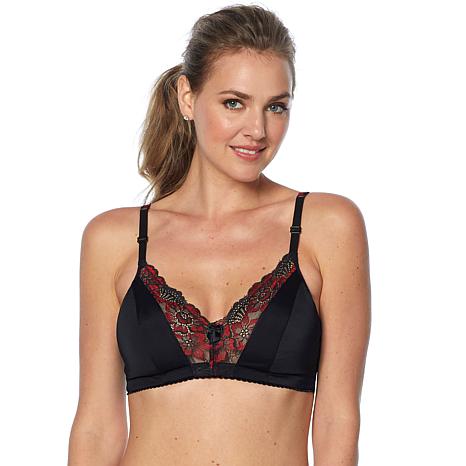
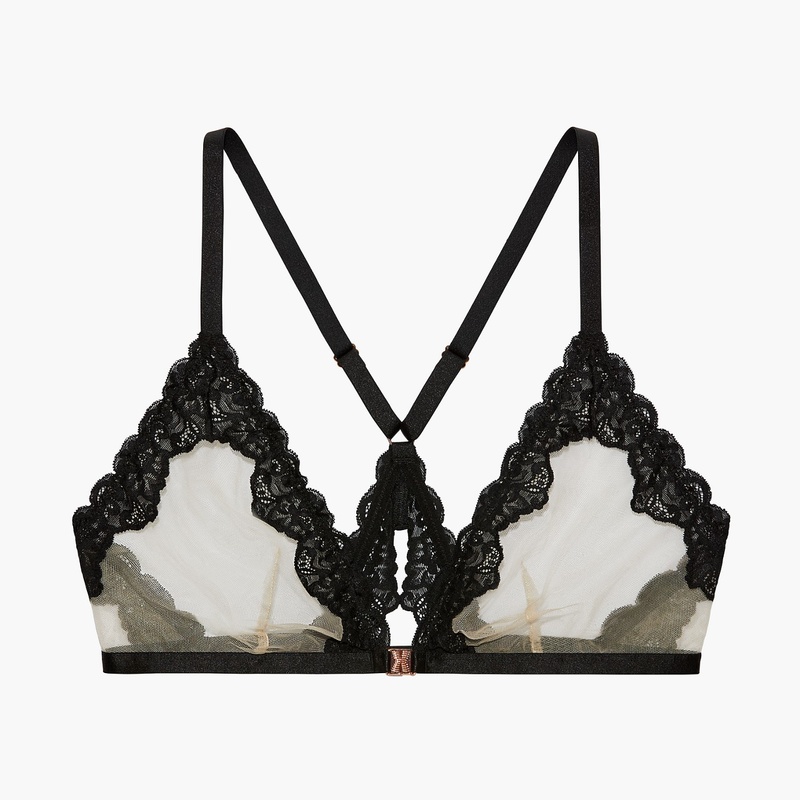

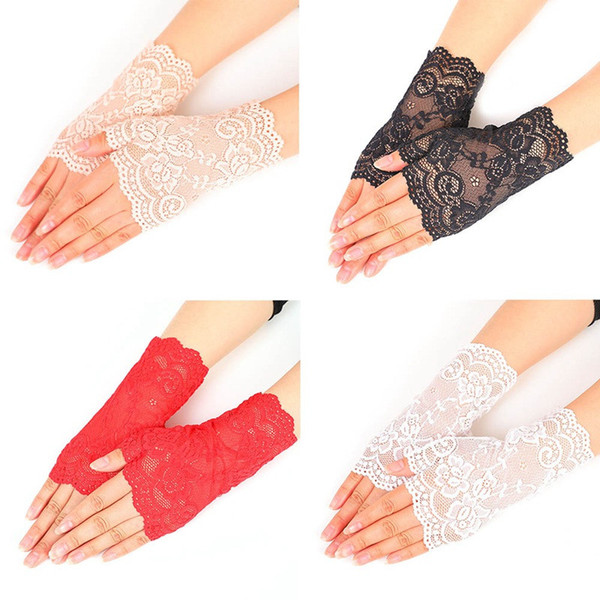
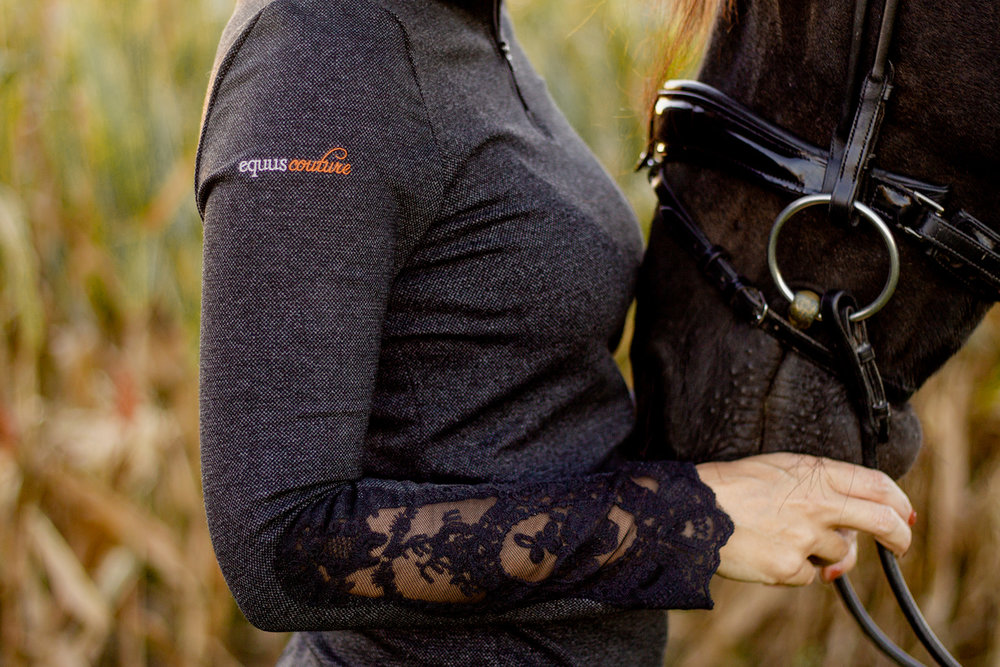
You could add these to the top of a pair of stockings, use it as ribbing at the collar of a top, to adorn the edge of a sleeve, or glue it on top of our semi-transparent latex sheeting to create one-of-a-kind couture fashions.
We have lace heights ranging from 3/4 an inch to 2.5 inches and we plan to release new designs monthly. Feel free to email us your design ideas if you have something specific you would like. If we can produce it we will.
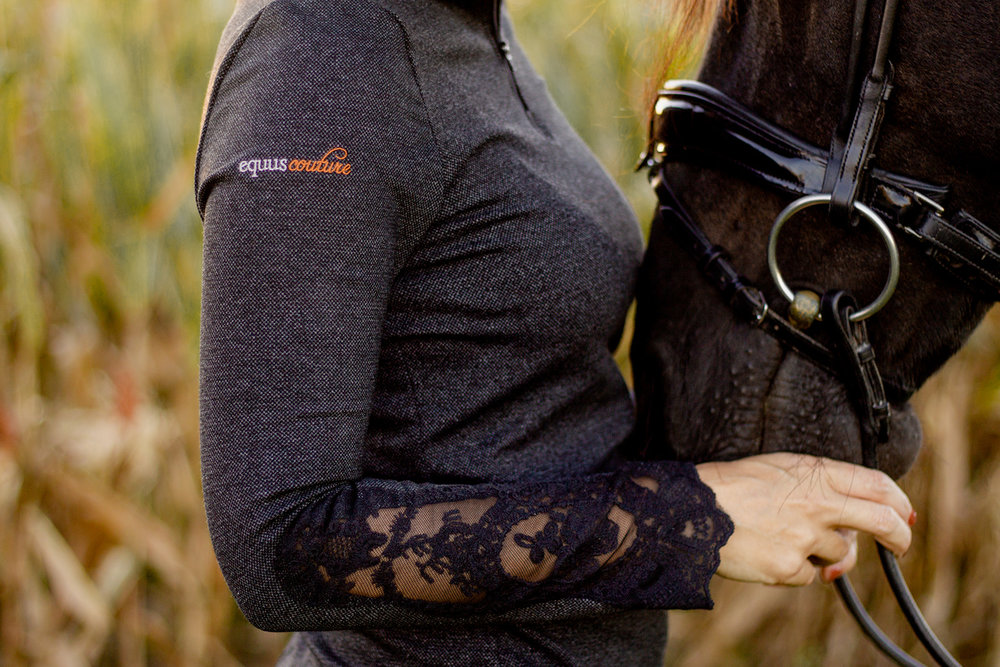

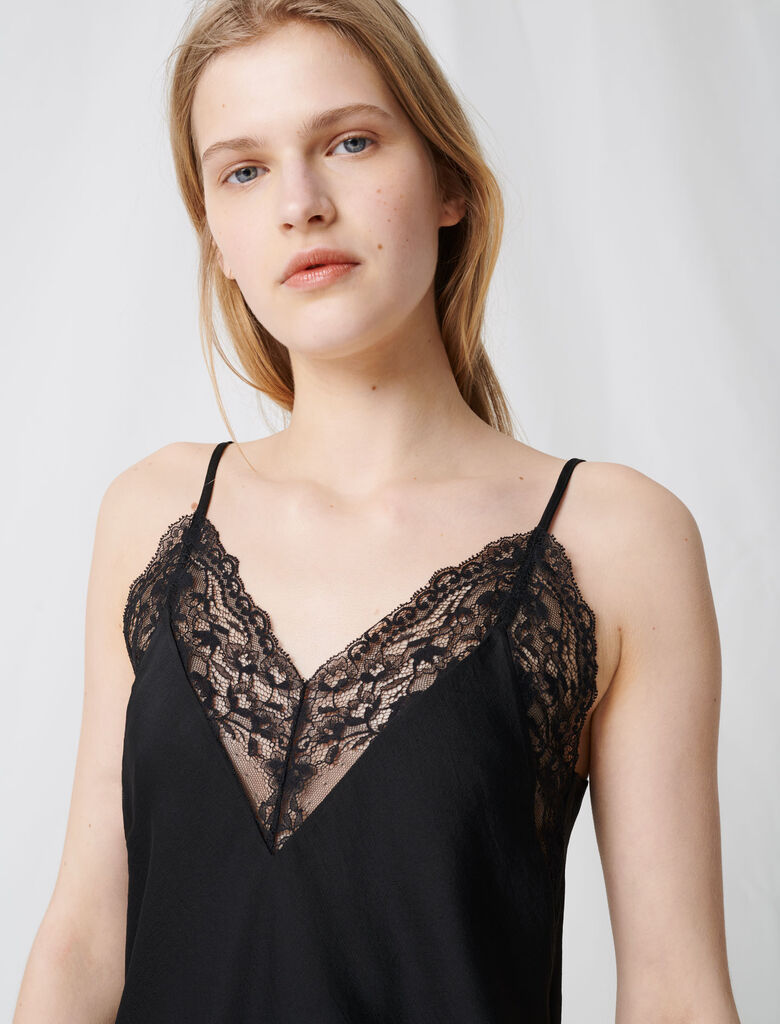
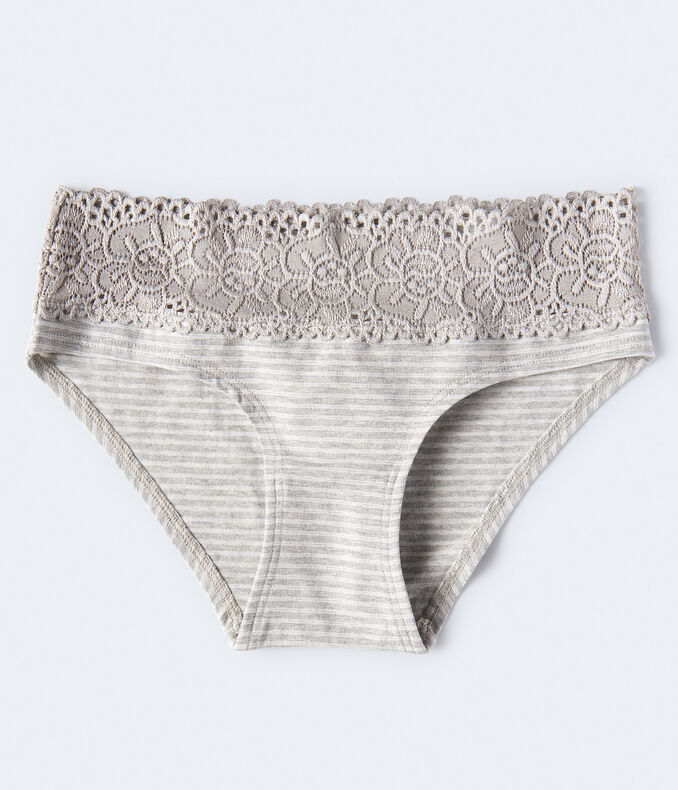
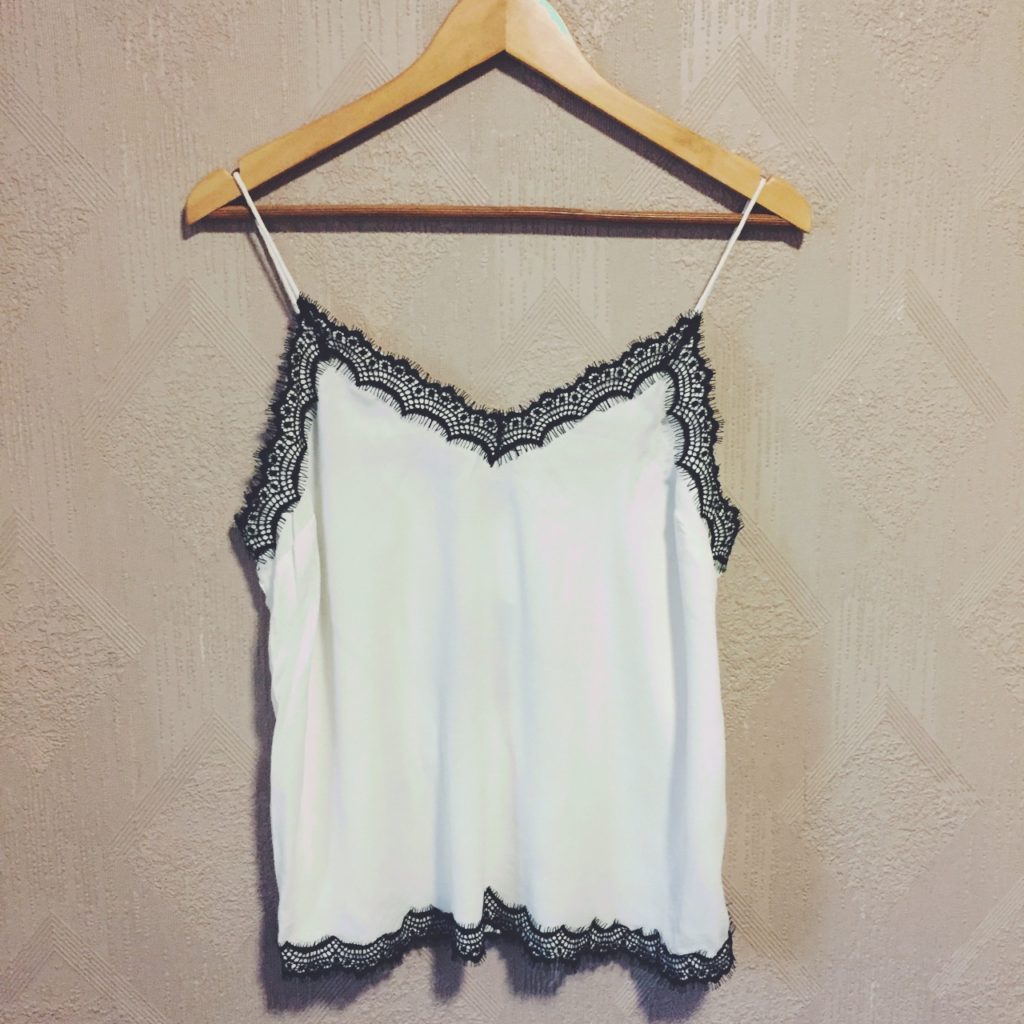
The thicknesses of latex available for latex lace are .20mm, .30mm, and .50mm. You can select the gauge and color when checking out. We’ve priced the lace so that 3 yards is the optimal amount to buy with a significant discount from the cost of a single yard.
The reason the price is discounted to encourage a minimum of 3 yards is due to the amount of labor setting up the cuts. It’s fairly labor intensive to set everything up to perform a single cut, but once it’s setup the level of effort to continue cutting is much lower. Plus, we assume that 2-3 yards will be the ideal amount for projects.

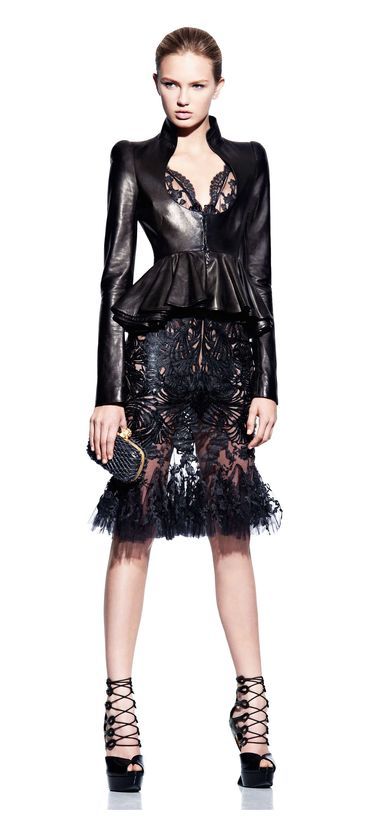


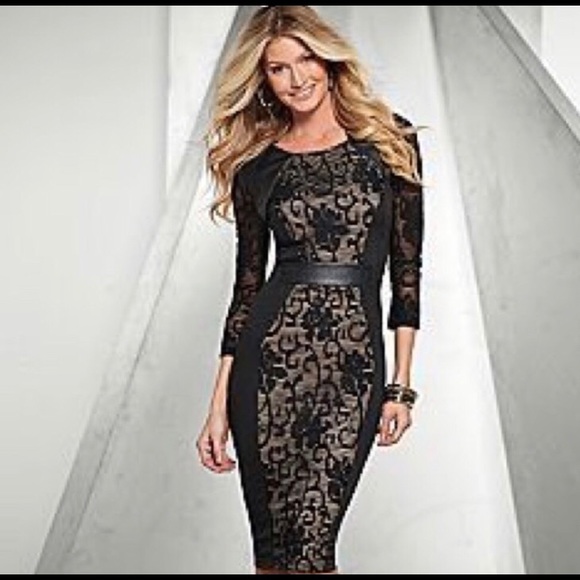
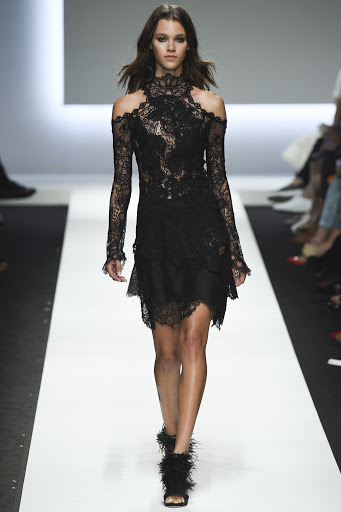
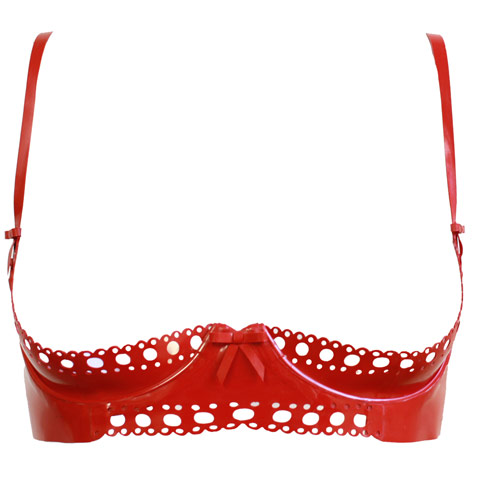
You can check out our current latex lace here: www.MJTrends.com/categories-latex-lace,rubber-sheeting
FYI – we are here to help you. We want to know your ideas and needs. Please let us know your feedback by emailing sales@MJTrends.com.


I’m curious how durable the finer .20mm lace holds up over time, especially when stretched. It sounds delicate but probably looks the most like traditional lace.
Gluing lace onto semi-transparent latex to create layered looks sounds like a really cool couture approach. I’d love to see some example pieces using that technique.
The idea of cutting lace patterns directly from latex sheeting is really clever, especially with that 1/4 mm precision. I can see this giving a much cleaner edge than trying to mimic lace with layering.
The range of thicknesses from .20mm to .50mm is helpful since different applications need different stiffness. I’d probably go thinner for collars and thicker for structural trims.
The comparison to stretch lace from fabric stores helped frame the concept quickly. It’s basically a latex version of something familiar, which makes it easier to imagine using.
I appreciate the explanation about why 3 yards is the sweet spot for pricing. It makes sense given the setup time, and honestly most projects would need around that amount anyway.
Being able to pick both gauge and color at checkout is important since lace designs can look completely different depending on contrast. I’m glad that flexibility is built in.
The height options from 3/4 inch to 2.5 inches seem practical, especially for sleeve edges and collars. It gives enough variation without overwhelming choices.
Monthly new designs is exciting because lace patterns can get repetitive quickly. Hopefully you’ll include some more intricate or floral styles as the catalog grows.
The labor explanation behind cutting setup was useful context. It’s easy to forget how much prep goes into precision cuts like that, especially at such fine tolerances.
It’s interesting that the lace is meant to be glued rather than sewn like traditional lace. That definitely changes how I’d plan construction for a garment.
Offering custom design input via email is a nice touch. A lot of niche latex projects need specific motifs, so having that option could make this really popular.
I hadn’t thought about using latex lace as ribbing before, but that could really elevate a simple top. It’s a nice alternative to plain bands that can look a bit basic.
Using latex lace as stocking tops sounds like a game changer for finishing pieces neatly. I’ve struggled to get that delicate look with standard sheets, so this seems like a solid solution.
Adding this to the top of stockings feels like the most obvious win, but I think edging gloves or masks could look incredible with these patterns too.