


Leather Hides
Leathers are made of the skins of animals including goat, cattle, sheep and pigskins. Even though there’s a great variety of skin types, a leather can normally be put in one of 3 categories : aniline, semi-aniline, and pigmented.
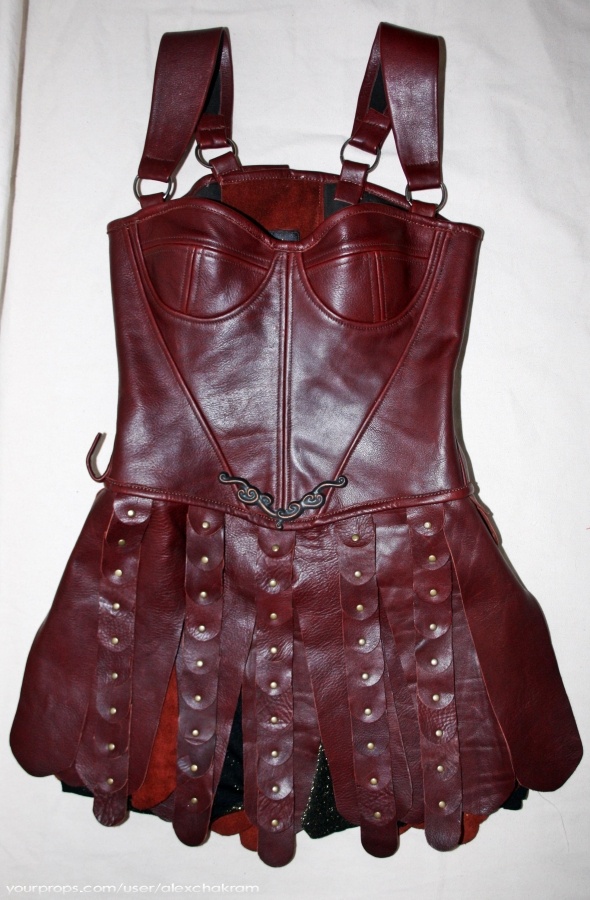
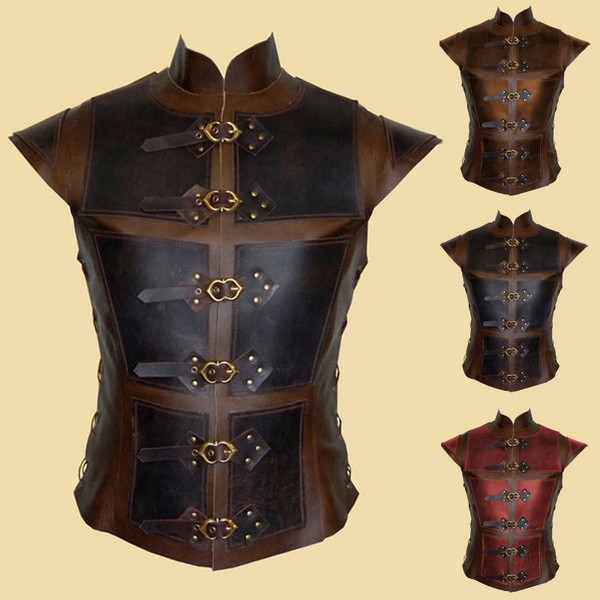
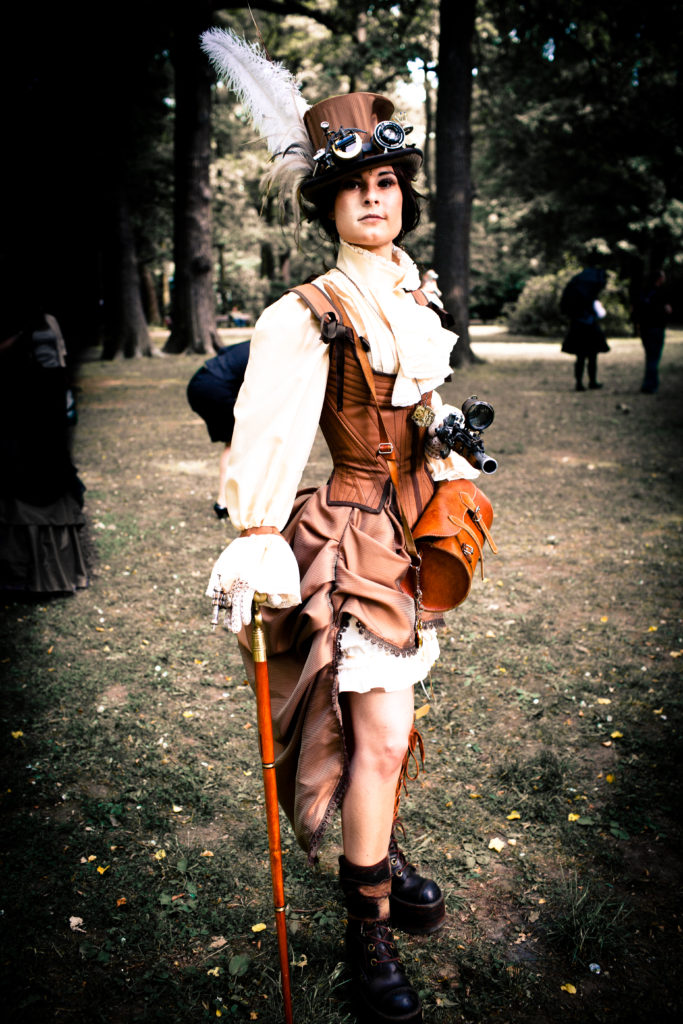
The type you choose depends upon the look you want, the product and the use that the product receives. Aniline leather is much the most natural looking, having natural coating visible, but is not as resistant to soiling. Semi-aniline leather is somewhere in between the two aspects, having a light coating. Pigmented leather is the most durable, but is less natural in appearance, using a polymer coating.
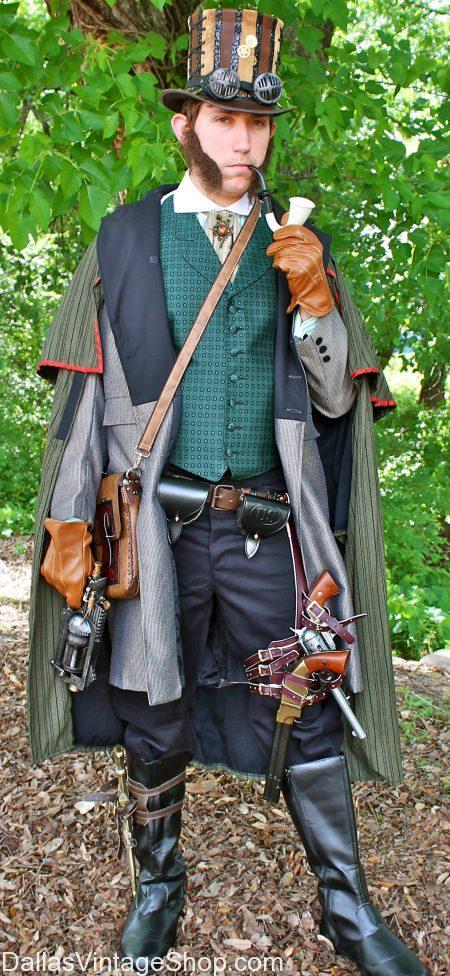
A surface coating can be applied to leather hides to improve its appearance and offer protection against soiling and spillages. Pigmented Leather is the most resistant and is utilized in the majority of industries from furniture upholstery and virtually all car upholstery. The durability is supplied by a polymer surface coating that contains pigments.
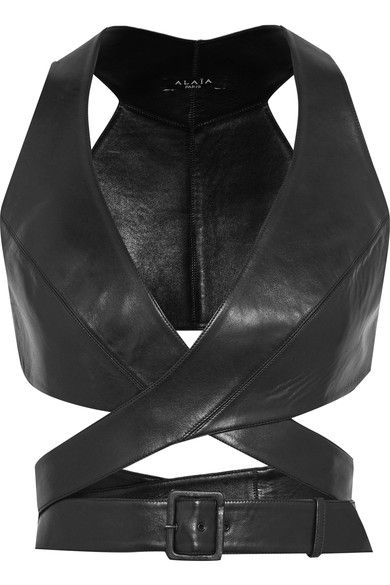
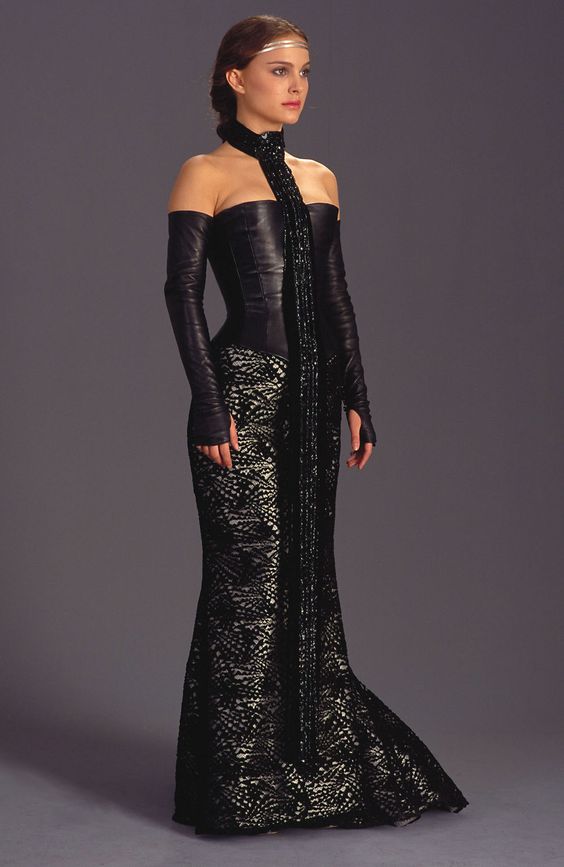
The surface coating allows the manufacturer greater control over the properties from the leather, e.g. resistance to scuffing or fading. The thickness of the coating can differ, but if the mean thickness is much more than 0.15mm then the product cannot be sold as leather in the UK due to consumer protection legislation.
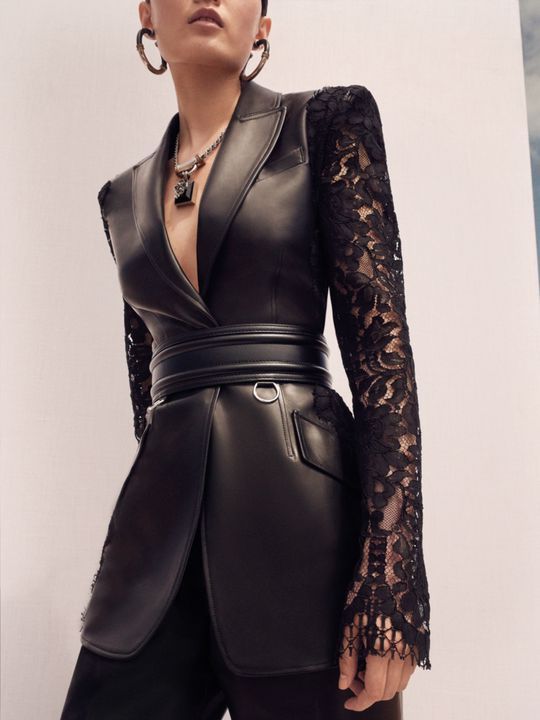

Full grain pigmented leather grain surface is left intact prior to applying the surface coating. Corrected grain pigmented leather grain coating is much abraded (to scrape or wear away by friction) to remove imperfections before the coating is applied. A decorative grain pattern can then be embossed in the surface.
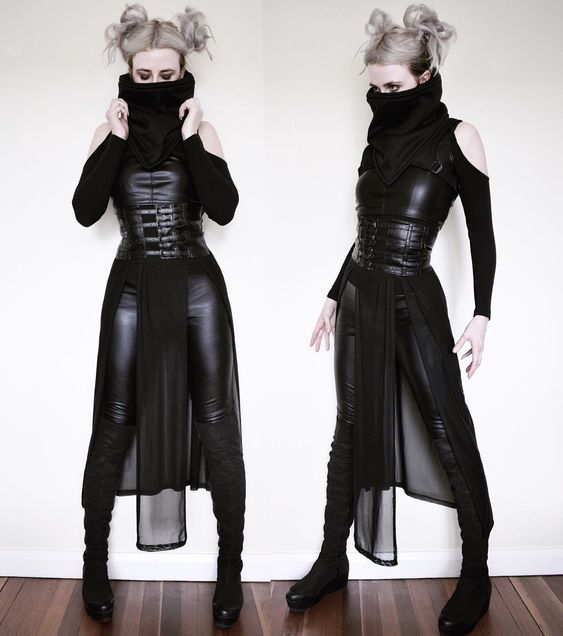
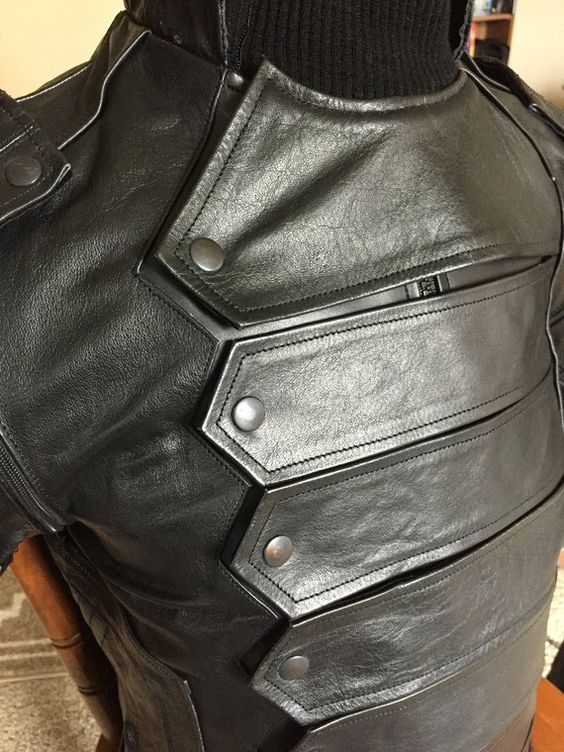
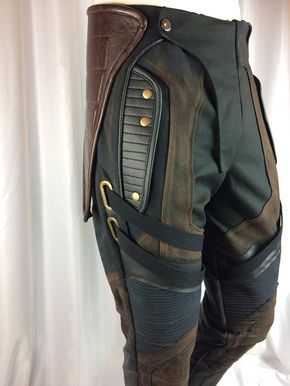
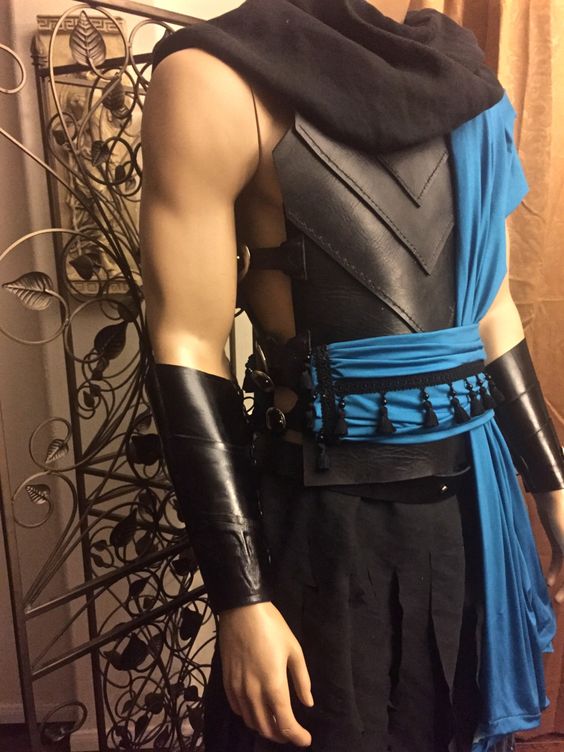
Split or Genuine leather usually has an artificial layer applied to the surface and is embossed with a leather grain (bycast leather). Finished split leather should only be utilized in low stress applications because they’re weaker than grain leather.
Antique grain: A special surface impact has been created to imitate the distinctive worn appearance of traditional leathers. This is achieved by employing a contrasting top coat that is applied irregularly or partially rubbed off to uncover a paler underlying colour.
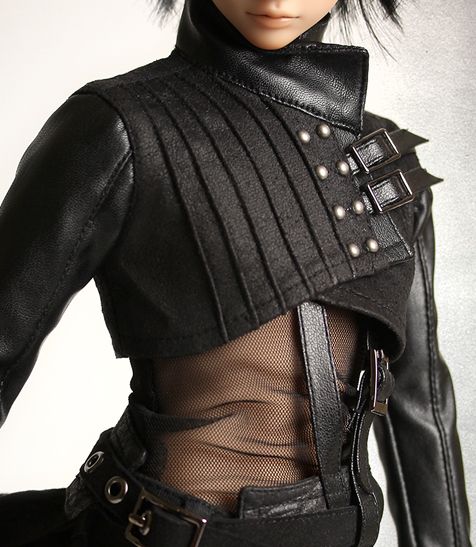
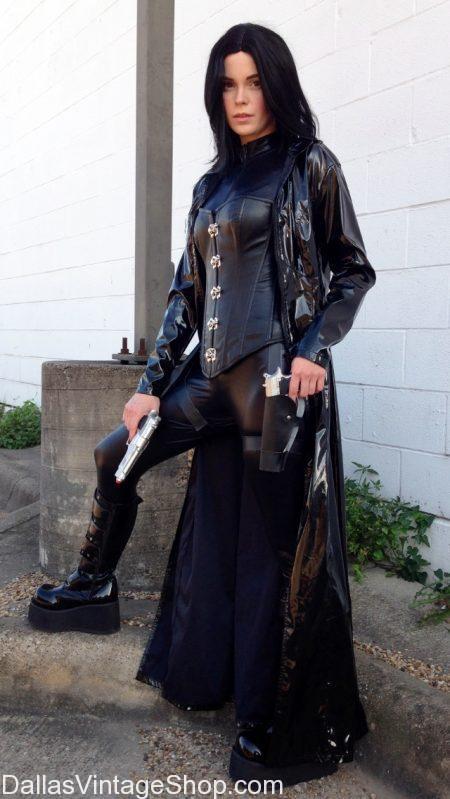
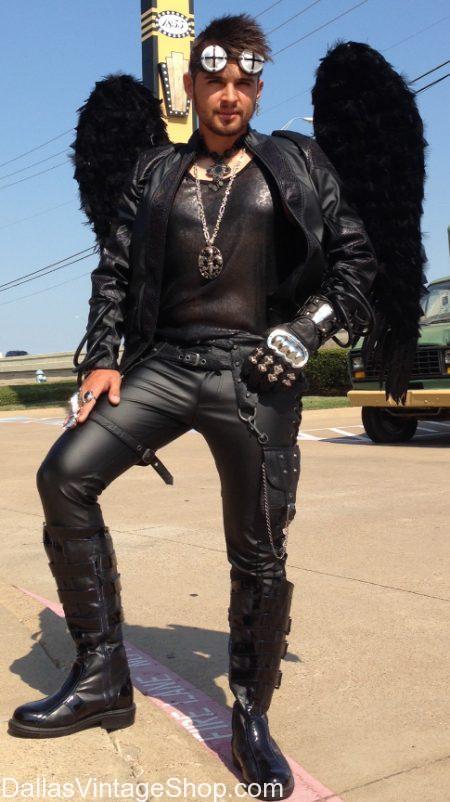
Pull-up leather: A leather with a natural-looking skin that lightens in color when stretched during wear to produce a distinctive worn-in effect with time. Nubuck: Aniline dyed leather that has been slightly abraded on the grain coating to create a velvety finish or nap.
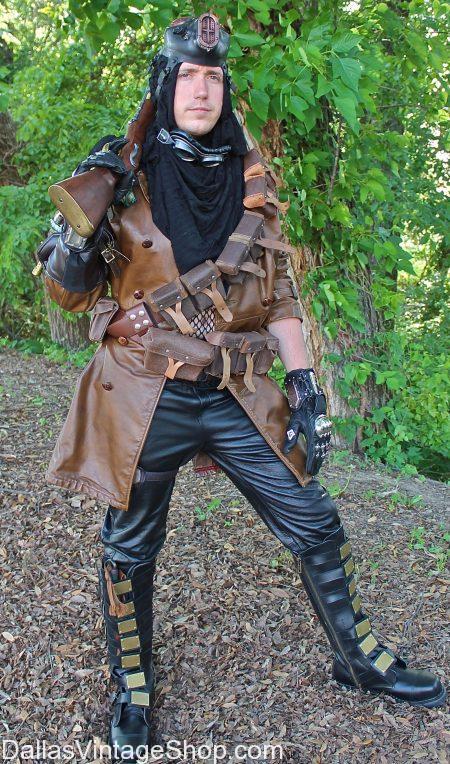
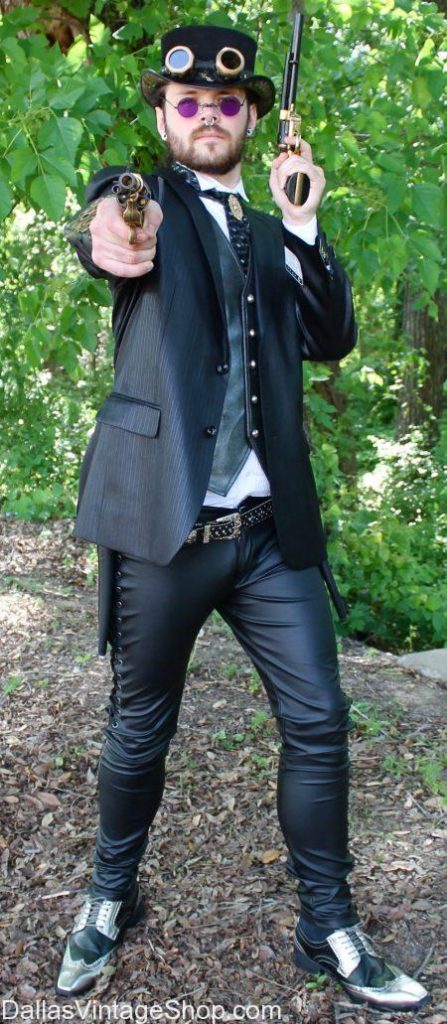
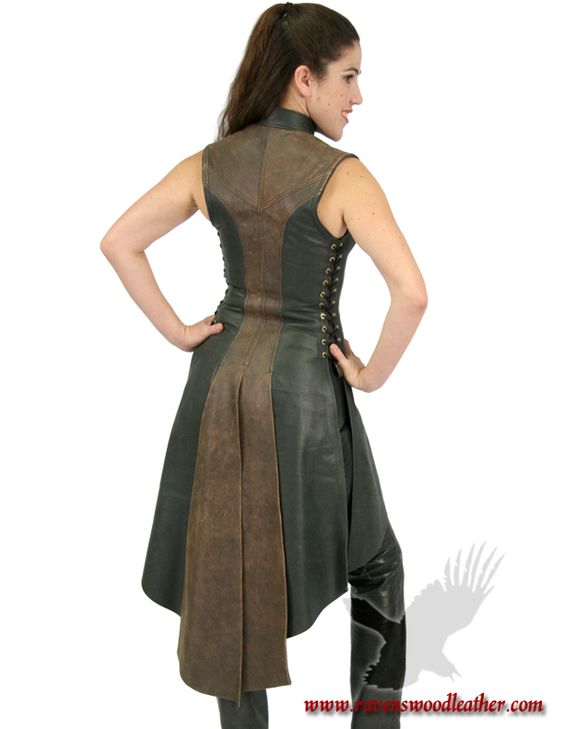
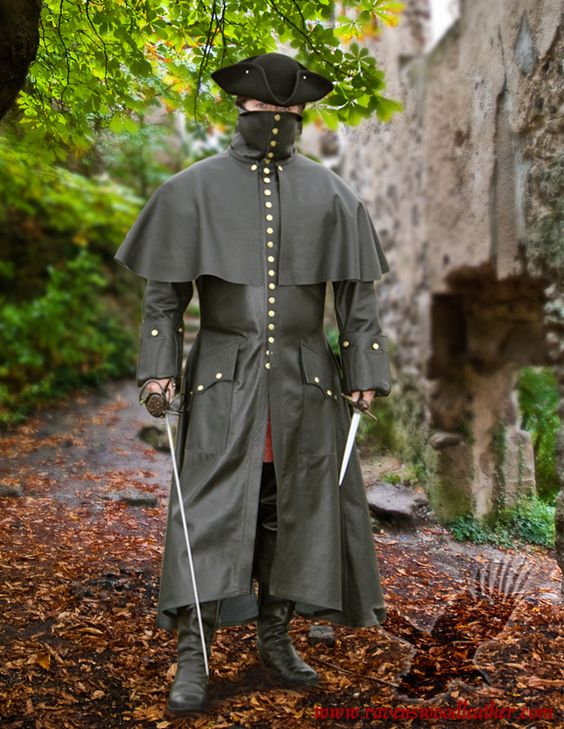
MJTrends offers 4 types of leather hides: goat skin, lambskin, and cow hides in two types, a standard and an extra soft. Each of these hides has their own unique qualities and can be used within fashion, cosplay, and costuming.
If you have specific questions about which one to use for your project then please reach out to us at sales@MJTrends.com. We love to help and also hear more what you are working on!


The explanation of aniline versus pigmented really clarified why my old jacket looked great but stained so easily, definitely sounds like it was aniline with almost no protective coating.
Good breakdown of semi-aniline sitting between natural look and durability, that seems like the sweet spot for costumes that still need to survive conventions.
The distinction between full grain and corrected grain pigmented leather makes a lot more sense now, especially how imperfections are handled before coating.
Pull-up leather getting lighter when stretched is such a cool effect, I’ve seen boots do that but never knew the term or how it was achieved.
Interesting how pigmented leather dominates car upholstery because of that polymer coating, makes sense now why it holds up so well compared to softer fashion leathers.
I didn’t know nubuck is basically aniline leather that’s been lightly abraded to create that velvety nap, always thought it was a totally different material.
The note about corrected grain being abraded before embossing helped me understand why some leather looks too perfect, it’s literally been sanded and re-patterned.
The antique grain description was helpful, especially the part about rubbing off the top coat to reveal a lighter color underneath for that worn look.
Nice to see goat, lamb, and cow hides all mentioned with different uses, especially for cosplay where flexibility versus durability really changes the final result.
I appreciated the mention that split or bycast leather should stay in low-stress applications, I’ve had items crack before and this explains exactly why that happens.
I didn’t realize the UK has that 0.15mm coating limit before it can’t be sold as leather anymore, that’s a surprisingly specific rule and good to know when comparing heavily coated hides.