


Do you have amazing sewing skills and want to earn some side money from your talents and hobby? Or maybe you’re just starting out and would like to improve your skills while also earning some dough to pay for that fabric stash that you’d like to build.
There are several ways to make money with sewing skills:
- Custom Sewing: Offer custom sewing services for clothing alterations, costume creation, or unique clothing designs.
- Sewing classes: Teach others how to sew and earn money from sewing classes or workshops.
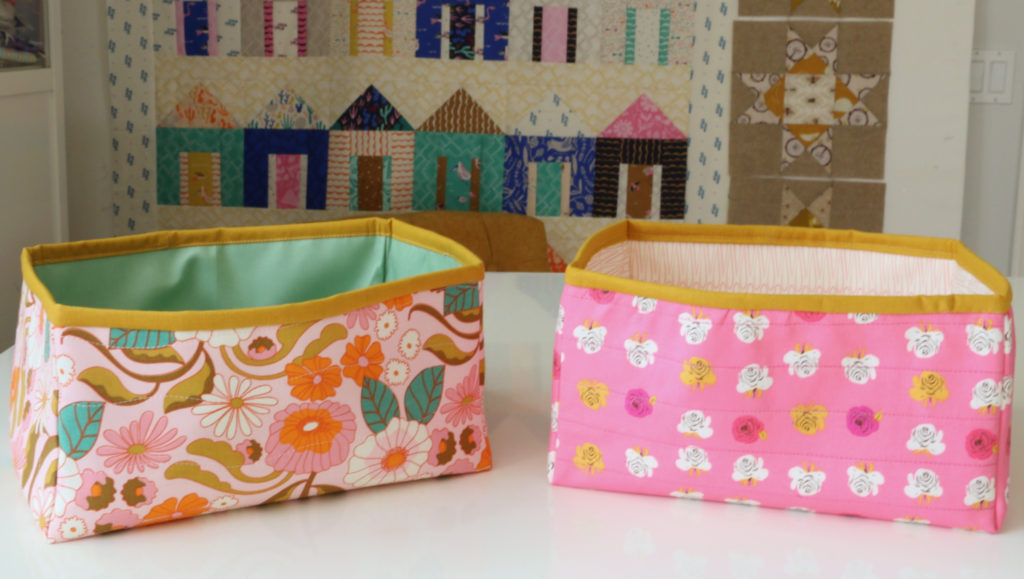
- Online Selling: Start an online store or use platforms like Etsy to sell handmade items like bags, accessories, or clothing.
- Wholesale Production: Make products in bulk and sell them to retailers or boutiques.
- Repair services: Offer repair services for clothing, upholstery, or other items.
- Costuming: Create costumes for events, theaters, or television and film productions.
Remember, to be successful in any of these ventures, you need to have a clear understanding of your target market, pricing strategy, and marketing tactics.

You can also start by selling your handmade items online on platforms like Etsy, eBay or on your own website. You can also participate in local craft fairs and markets, offer custom sewing services, or even teach sewing classes.
Here are a list of topics that you could cover in a sewing class:
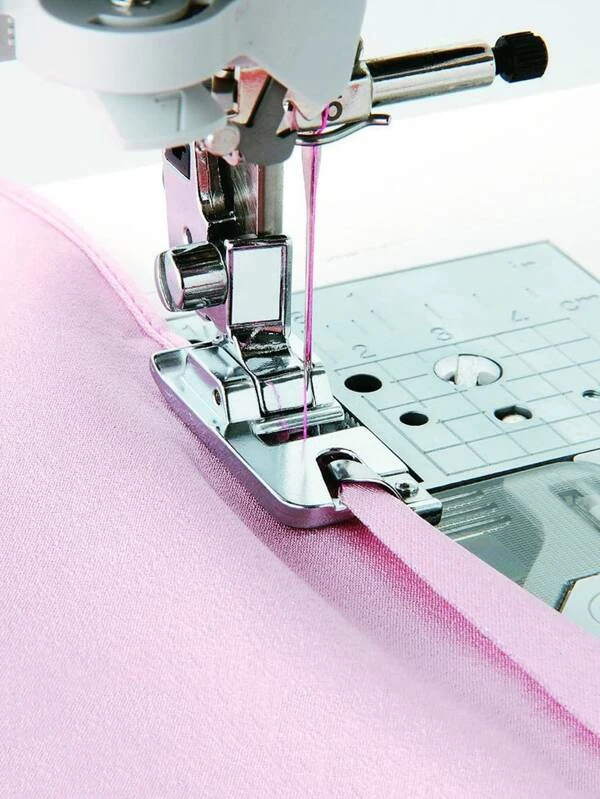
- Basic Sewing Techniques: Teach the basics of sewing such as threading a needle, using a sewing machine, and hand sewing stitches.
- Pattern Making: Teach students how to draft their own patterns or modify commercial patterns to fit their body measurements.
- Garment Construction: Teach students how to construct different types of garments such as dresses, pants, skirts, shirts, etc.
- Textile Selection: Teach students about different fabrics and how to choose the right fabric for a specific project.
- Alterations: Teach students how to make alterations to improve the fit of a garment.
- Embellishments: Teach students how to add decorative elements such as embroidery, beading, and applique to their projects.
- Home Décor: Teach students how to create items for the home such as pillows, curtains, and table runners.
- Specialty Techniques: Teach specialized techniques such as quilting, upholstery, or creating costumes.
Remember to keep the class interactive, hands-on, and fun. Encourage students to ask questions and provide feedback to help them improve their skills.

To market your business you will want to identify your target audience and determine who is most likely to be interested in your services and tailor your marketing efforts to appeal to that group. Everything in online these days so you could take the time to establish an online presence. Create a website and social media profiles to showcase your work, and make it easy for people to contact you and find information about your services.
Network with others in the industry: Attend trade shows, join local organizations and industry groups, and connect with other sewing professionals. Another effective technique is to use content marketing. Share tutorials, blog posts, and other content that demonstrates your expertise and highlights the benefits of your services.
Once you get going don’t be shy. Ask for referrals. Encourage satisfied customers to recommend your business to their friends and family. Another word of mouth strategy is to partner with complementary businesses. Consider partnering with other businesses that serve a similar target audience, such as fabric stores or tailor shops.
These are just a few ideas to help you get off the ground and make some money with sewing. It’s such a fun experience and one that people need, so why not make a few dollars at something you enjoy!


Ending with the reminder to actually enjoy the process while earning money from sewing makes it feel more achievable and less like turning a hobby into a chore.
Content marketing through tutorials and blog posts feels like a long-term play, but it definitely helps build trust and shows off your sewing expertise.
It’s helpful that you included both beginner-friendly options like simple accessories and more advanced paths like pattern drafting or custom designs.
I’ve never considered costuming for events as a business angle, but it makes sense given how much people spend on unique outfits.
I like that you didn’t just focus on selling finished items but also mentioned alterations and repair services, since those can bring steady income even when custom orders slow down.
Breaking down class topics like garment construction and alterations makes it easier to actually plan a curriculum instead of just winging it.
Teaching embellishment techniques like embroidery and applique in classes is a great way to differentiate from basic sewing workshops.
The idea of partnering with fabric stores or tailor shops is smart because those businesses already have the exact audience you’d want to reach.
I’ve tried selling at local craft fairs, so I liked seeing that included alongside online selling since combining both can really increase exposure.
The section about teaching sewing classes stood out to me, especially the list of topics like pattern making and textile selection, which are exactly what beginners usually struggle with.
Offering costume work for theater or film is a great idea that doesn’t get talked about enough, and it can really showcase more creative sewing skills than basic garments.
The advice to network through trade shows and local groups is underrated, especially for finding boutique or wholesale opportunities.
Creating a website and social media presence feels essential now, and it’s good you highlighted making it easy for people to contact you directly.
Starting on Etsy or eBay makes sense, but I appreciate the reminder about having a pricing strategy because underpricing handmade work is such a common mistake.
The mention of upholstery repair services caught my attention since that’s a niche that often pays better than standard clothing repairs.
I like that you emphasized keeping classes hands-on and interactive because sewing is something people really need to practice, not just watch.
Wholesale production sounds intimidating, but it’s helpful that you included it as an option for scaling beyond one-off custom orders.
Encouraging referrals from satisfied customers is simple but effective, especially in a service-based niche like alterations or custom sewing.
Your point about identifying a target market before marketing is crucial, especially when deciding whether to focus on custom clothing, home decor, or accessories.