


Increasing creativity as a fashion designer involves nurturing your artistic instincts, exploring new ideas, staying inspired, and developing a unique design perspective. In this article we will show you how to put the 6 best methods to reset your brain to new ideas and inspirations.
- Sleep
Research shows that sleep and rest can reset your mind and allow it to be open to new ideas.
Sleep plays a crucial role in promoting creativity and supporting the creative process in several ways. During sleep, especially during the REM (Rapid Eye Movement) stage, the brain consolidates memories from the day. This process helps retain and organize information, which can be essential for creative thinking. Sleep is critical for learning and skill acquisition. As creativity often involves synthesizing and applying knowledge in new ways, a well-rested brain is better equipped to engage in these cognitive processes.


2. Diet
Diet can influence creativity by providing essential nutrients that support brain function and overall well-being. The food you consume plays a crucial role in supplying energy, enhancing cognitive functions, and influencing mood. The brain is a highly energy-demanding organ. Antioxidant-rich foods, such as fruits and vegetables, protect the brain from oxidative stress. Oxidative stress has been linked to cognitive decline, and a diet rich in antioxidants may help maintain cognitive function and support creative thinking.


3. Exercise
Exercise stimulates the release of neurotransmitters such as dopamine, serotonin, and norepinephrine. These chemicals play a role in mood regulation and can positively influence cognitive functions, including creativity. Regular exercise helps reduce stress by promoting the release of endorphins, the body’s natural stress relievers. Lower stress levels can contribute to a more relaxed and open mindset, allowing for increased creative thinking.


4. Explore Beyond Fashion
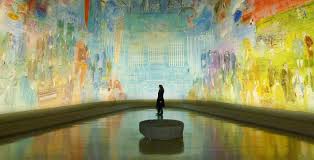
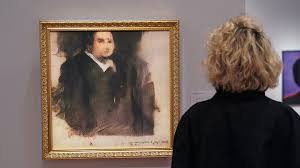
Look beyond fashion for inspiration. Explore art, architecture, music, literature, and other creative fields. Inspiration can come from unexpected sources and enhance your design perspective. Visit art galleries, museums, and cultural events. Exposing yourself to various art forms, historical artifacts, and cultural expressions can spark new ideas and concepts for your designs. Nature can be a powerful muse. The colors, patterns, and textures found in the natural world can inspire unique design elements. Take walks in parks, botanical gardens, or natural settings to observe and gather inspiration.
5. Look To Current Trends
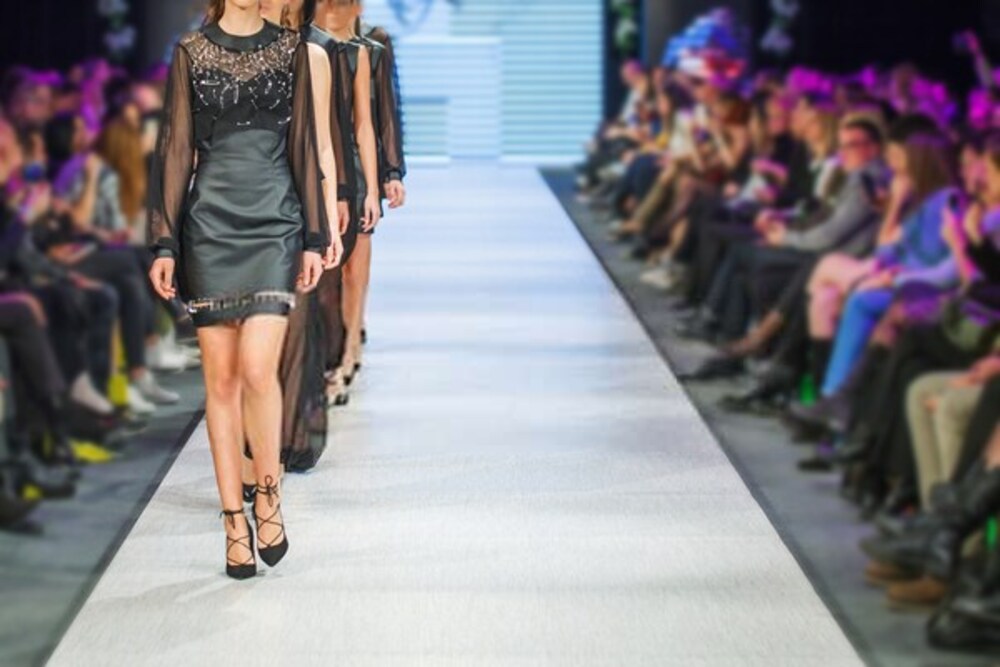
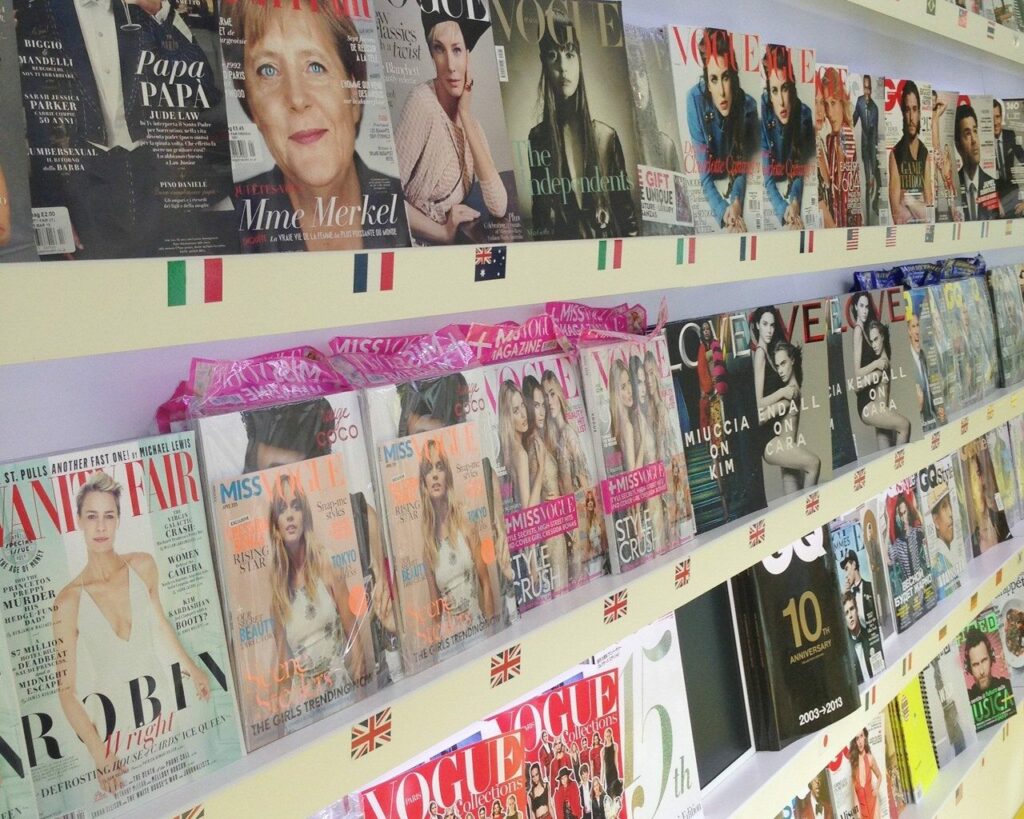
Follow fashion trends and stay updated on the latest industry news. Attend fashion shows, read fashion magazines, and explore fashion blogs to gain exposure to diverse styles and designs. Attend local and international fashion shows, runway events, and trade shows. These platforms showcase the latest collections and emerging trends. Pay attention to the designs, colors, fabrics, and overall themes presented.
6. Collaborate and Share Ideas
Collaborate with other designers, artists, and creatives. Sharing ideas and perspectives can lead to the discovery of new trends and innovative approaches to design. Attend industry events, workshops, and networking sessions. Building connections with other designers, professionals, and trendsetters in the fashion industry can provide valuable insights into upcoming trends. Building meaningful connections within the fashion industry can lead to opportunities, collaborations, and exposure for your work.



I hadn’t considered how learning and skill acquisition during sleep actually support creative synthesis, which makes rest feel like part of the design process.
I liked the emphasis on REM sleep and memory consolidation because it explains why my best design ideas come after a good night’s rest rather than late-night sketching sessions.
Following current trends can feel obvious, but your reminder to analyze colors, fabrics, and themes at runway shows makes it more actionable.
I appreciated how you connected nature walks with observing textures and patterns, since that’s often where unexpected fabric ideas or prints originate.
Collaboration stood out to me because sharing unfinished ideas with other creatives often leads to directions I wouldn’t reach alone.
Attending trade shows and networking events as a creativity tool is a useful angle, since exposure to conversations can spark ideas just as much as visual inspiration.
The section on diet felt surprisingly practical, especially the point about antioxidants protecting against cognitive decline and supporting creative thinking over time.
Exploring beyond fashion is something I neglect, so the suggestion to visit museums and study architecture felt like a needed push to broaden my references.
The article did a good job tying physical habits like sleep, diet, and exercise directly to creativity instead of treating inspiration as something purely abstract.
Your note about exercise releasing dopamine and serotonin really resonated; I notice my sketches feel looser and more experimental after even a short workout.